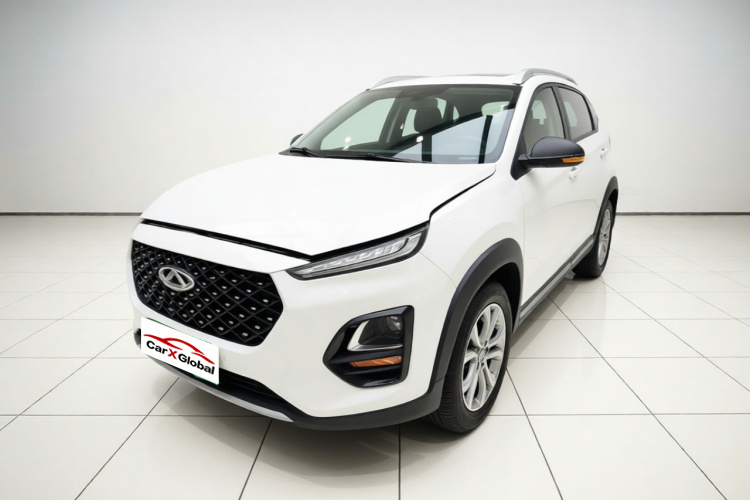
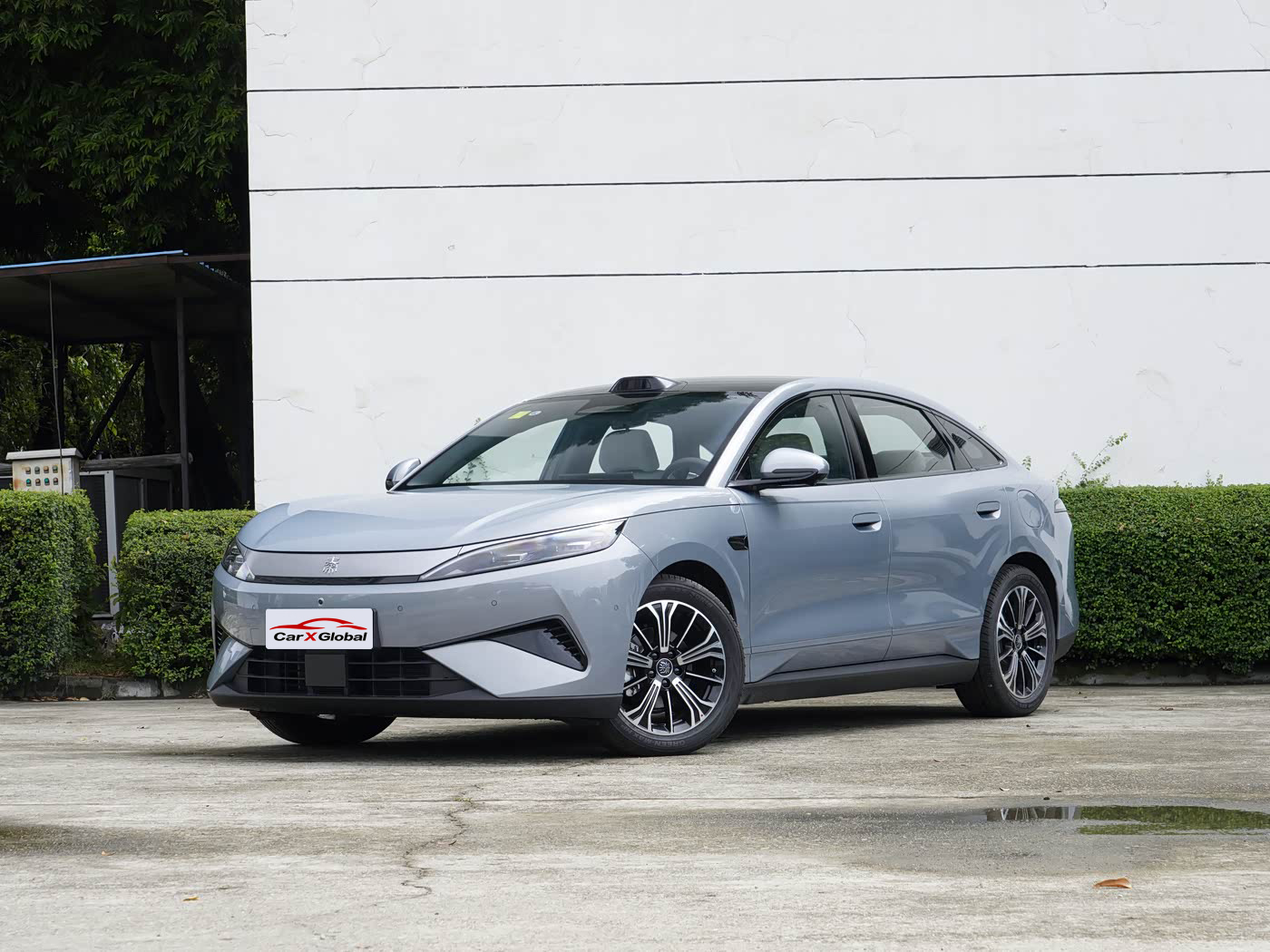
Algeria's compact SUV segment has a supply gap that Chinese brands are filling fast, and the Geely Coolray sits right in the middle of it. But 2026 has brought Algeria's most significant tariff and licensing overhaul in years — engine-based tax bands, invoice-based customs valuation, and stricter localization targets. For dealers weighing a Coolray import program, understanding these rules isn't optional homework; it's the difference between a predictable landed cost and a shipment stuck at the Port of Algiers.
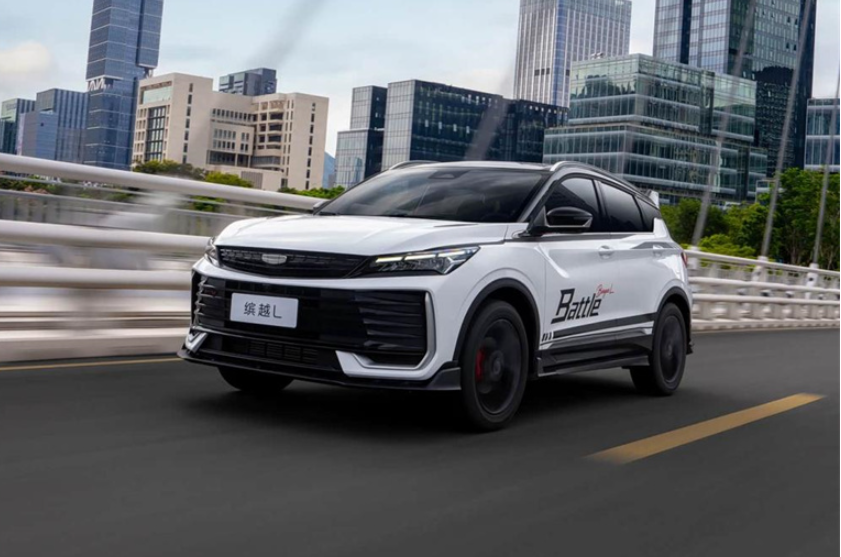
Algeria's new vehicle market has been volatile for a decade, but the last three years show a clear rebound. After import licenses reopened in 2023, sales surged, and by 2025 the market had settled at around 102,651 units sold, even as electric vehicle sales climbed to 8,951 units, signaling a real shift toward electrification alongside continued demand for affordable, well-equipped fuel and hybrid models. Compact SUVs sit squarely in that demand curve: Algerian buyers want more space and features than a subcompact hatchback, without the price tag or tax exposure of a larger vehicle. Focus2Move
The Coolray's positioning — a turbocharged small-displacement engine, SUV proportions, and a trim ladder that scales from basic to well-equipped — maps closely onto what Algerian dealers report selling fastest. It also arrives at a moment when Chinese brands overall have moved from a marginal presence to ordinary sights on Algerian streets, with brands barely known a few years ago now competing directly with established European and Japanese names. For a dealer building a Chinese-brand SUV lineup, the Coolray is a logical addition next to the segment leaders already on the road. Guazi
The single biggest change dealers need to internalize this year is the shift toward engine-displacement-based taxation for fully built units (CBUs). Under the framework now in force, new passenger vehicles with an engine displacement of 1,800cc or below face a comprehensive tax rate of roughly 60%, while vehicles above that threshold can be taxed as high as 120%. Pure electric vehicles, by contrast, are largely exempt.
The Coolray's turbocharged 1.5-liter engine puts it comfortably inside the lower band, which matters commercially: it keeps the model price-competitive against both larger fuel SUVs facing the steep upper tax rate and against the wave of EVs now entering duty-free. Algeria has also confirmed a broader policy direction here — import tariffs on fully built vehicles are rising as of 2026 specifically to encourage local manufacturing, while EVs continue to benefit from a preferential duty around 5%. Dealers sourcing fuel or hybrid compact SUVs like the Coolray should treat this as a standing incentive structure rather than a temporary discount: the gap between CBU fuel vehicles and EVs is a policy choice Algeria intends to keep widening, not a pricing quirk that will reverse. Dongfeng South
Algeria's localization push isn't just about tariffs on paper — it's actively reshaping who can sell what, and at what cost. Automakers are now required to reach a 15% localization rate by their third year of operation, up from 10% previously, and 35% by year five, up from 30%, with the gap between compliant and non-compliant manufacturers widening as CBU duties climb. Dongfeng South
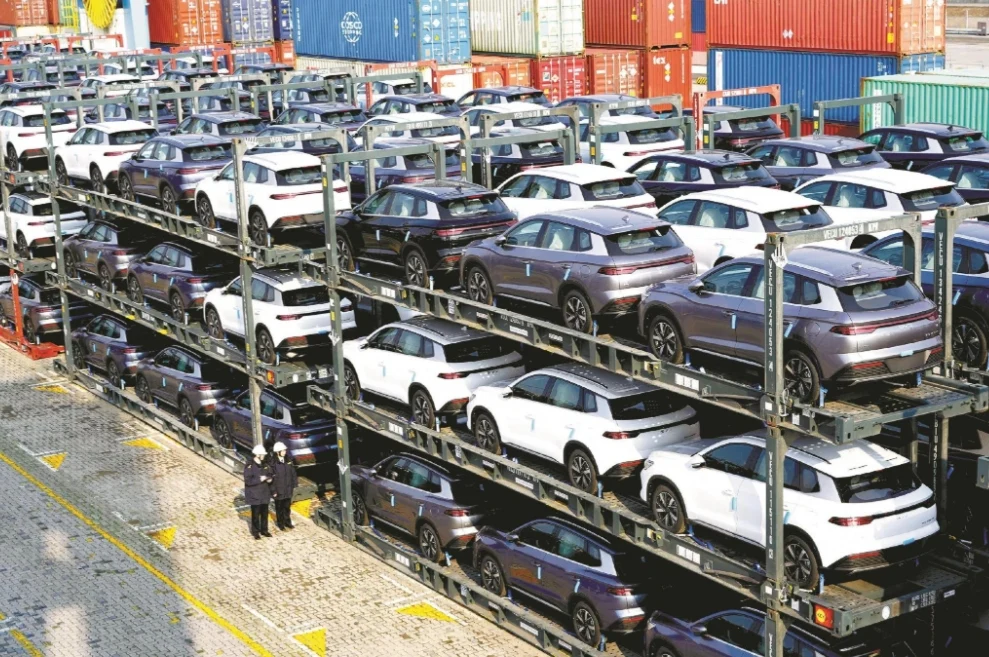
Geely is not sitting outside this shift. Geely already has local assembly operations in Algeria as of 2026, alongside brands like Fiat, Renault, Hyundai, Chery, DFSK, BYD, and BAIC, and recent trade reporting has tracked Geely-branded vehicle shipments arriving through the Port of Jijel. For dealers, this matters practically: a locally assembled Coolray variant, once it clears Algeria's localization thresholds, could eventually access a materially lower tax regime than a straight CBU import. Until that transition is confirmed model-by-model, though, dealers should plan sourcing around the current CBU tariff bands rather than anticipate savings that haven't been formally extended to every trim. %%sitename%%
Algeria does not allow open-market vehicle importing. Any business intending to import new vehicles for commercial sale must first sign a franchise agreement with an automotive manufacturer, and each dealer may represent only one manufacturer — a Coolray franchise and a competing brand's franchise cannot sit under the same license. Auto in China
Once licensed, the obligations continue. Dealers must establish service points across 28 provinces within their first year, maintain adequate original spare parts inventory, and comply with strict payment terms: all purchases must run through Algerian banks, advance payments are capped at 10% of the vehicle price, and orders must be delivered within 45 days. This licensing structure, formalized under Executive Decree No. 22-383, remains the operating baseline in 2026 even as tariff bands around it shift. A dealer evaluating a Coolray program should treat the franchise agreement and service-network buildout as the real gating factor — tariff savings mean little if the underlying import license isn't secured first. Auto in China
A second major shift affects how much tax a Coolray shipment actually owes, independent of the rate itself. Algerian customs now calculates import duties for Chinese vehicles based on the original purchase price shown on the Chinese invoice, rather than applying Algeria's own standard valuation tables — a change that can reduce tariff costs by up to 40% compared to the previous system. YL Automobile
For a dealer, this means the commercial invoice from the supplier is no longer just a paperwork formality; it is the direct basis for the customs bill. Getting invoice documentation clean, consistent, and properly matched to the shipment's Bill of Lading is now a cost-control issue, not just a compliance one. It also raises the stakes on sourcing from a supplier who understands Algerian customs expectations — an invoice that doesn't align with what customs officials expect to see for a given Coolray trim can trigger revaluation, delay, or dispute at the port, erasing the pricing advantage the new rule is meant to deliver.
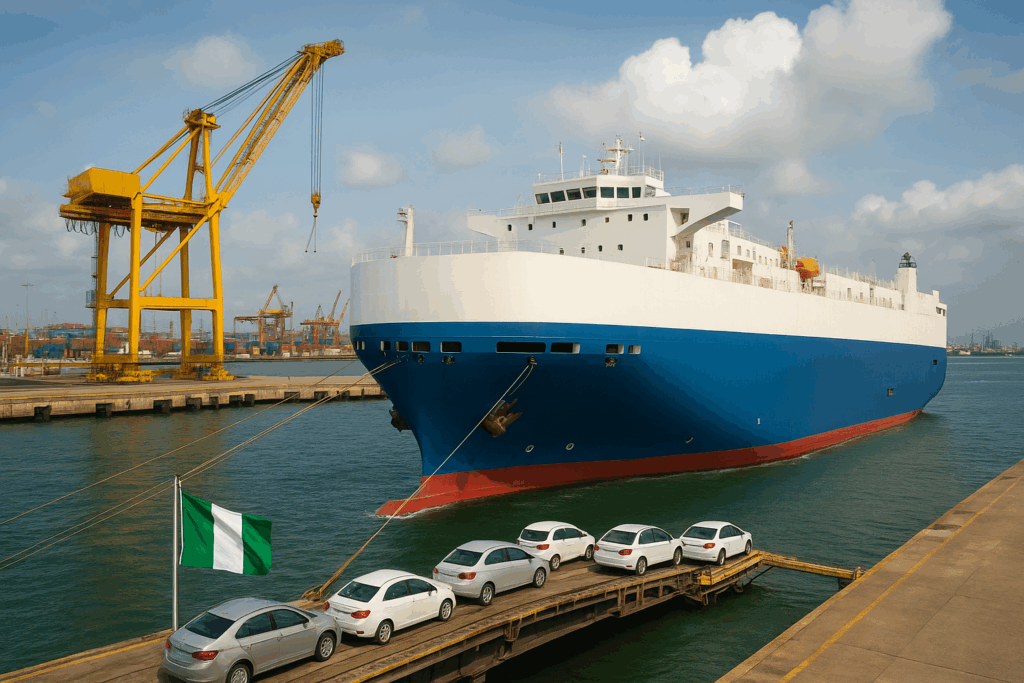
Timing a Coolray shipment badly can cost weeks of storage fees and missed selling season, because Algeria imposes a seasonal import ban that dealers routinely underestimate. During peak season, roughly from June 15 to September 15, the ports of Algiers and Oran temporarily stop accepting new cars, vehicles under three years old, vans, and larger passenger transport vehicles. Anything arriving during that window has to route through alternative ports — Bejaia, Skikda, or Annaba — which typically means longer inland transit and different port-side handling costs.
For a dealer planning Coolray inventory around Algeria's spring and back-to-school selling periods, this restriction effectively forces a choice: ship early enough to clear Algiers or Oran before mid-June, or build the alternate-port routing and added transit time into the delivery schedule from the outset. Missing this window isn't just an inconvenience — combined with the 45-day delivery obligation under the dealer's franchise terms, a shipment rerouted at the last minute can put a dealer in breach of its own regulatory delivery commitments to customers.
Pulling these rules together, a few practices separate dealers who run smooth Coolray import programs from those who don't. First, confirm engine specification on every trim before ordering — the 1,800cc threshold is the line between the standard CBU tax band and a materially higher one, and trim-level variation matters. Second, treat the commercial invoice as a compliance document, not just a sales record; inconsistencies between invoice value, Bill of Lading, and declared specifications are the most common source of customs delay under the new invoice-based valuation system. Third, map shipment timing against the June–September port restriction well before booking freight, particularly for high-volume orders destined for Algiers or Oran.
Sourcing through an export partner that already operates on FOB terms — meaning the vehicle is handed off cleared and loaded at the Chinese port of departure, with the dealer's own logistics partner handling the ocean leg and Algerian-side clearance — gives dealers a clean, auditable price basis that aligns with how Algerian customs now values Chinese vehicle imports. Like other exporters working the Coolray and similar compact SUVs out of China, CarX Global operates from warehouse facilities in Guangzhou Nansha, Xinjiang Horgos, Kashgar, and Qingdao, sourcing directly on EXW or FOB terms so dealers retain full control and visibility over the ocean freight and customs stages that determine final landed cost. That structure — transparent factory-gate or port-of-loading pricing, rather than a bundled door-to-door quote — is what lets a dealer verify, invoice by invoice, that the numbers presented to Algerian customs will hold up. Dealers evaluating a Coolray program for the Algerian market can reach out to CarX Global's regional team to discuss sourcing terms and current available inventory.
 Hot News
2026-09-17
2026-09-03
2026-08-25
2026-08-13
2026-08-07
2026-08-04

Ready to Source Quality Vehicles from China? Fill in Your Details & Get Started.
Office 1325, No. 355 Xingang East Rd,Pazhou, Haizhu District,Guangzhou, Guangdong, China 510000
Copyright © CarX Global All Rights Reserved | Privacy Policy
 EN
EN