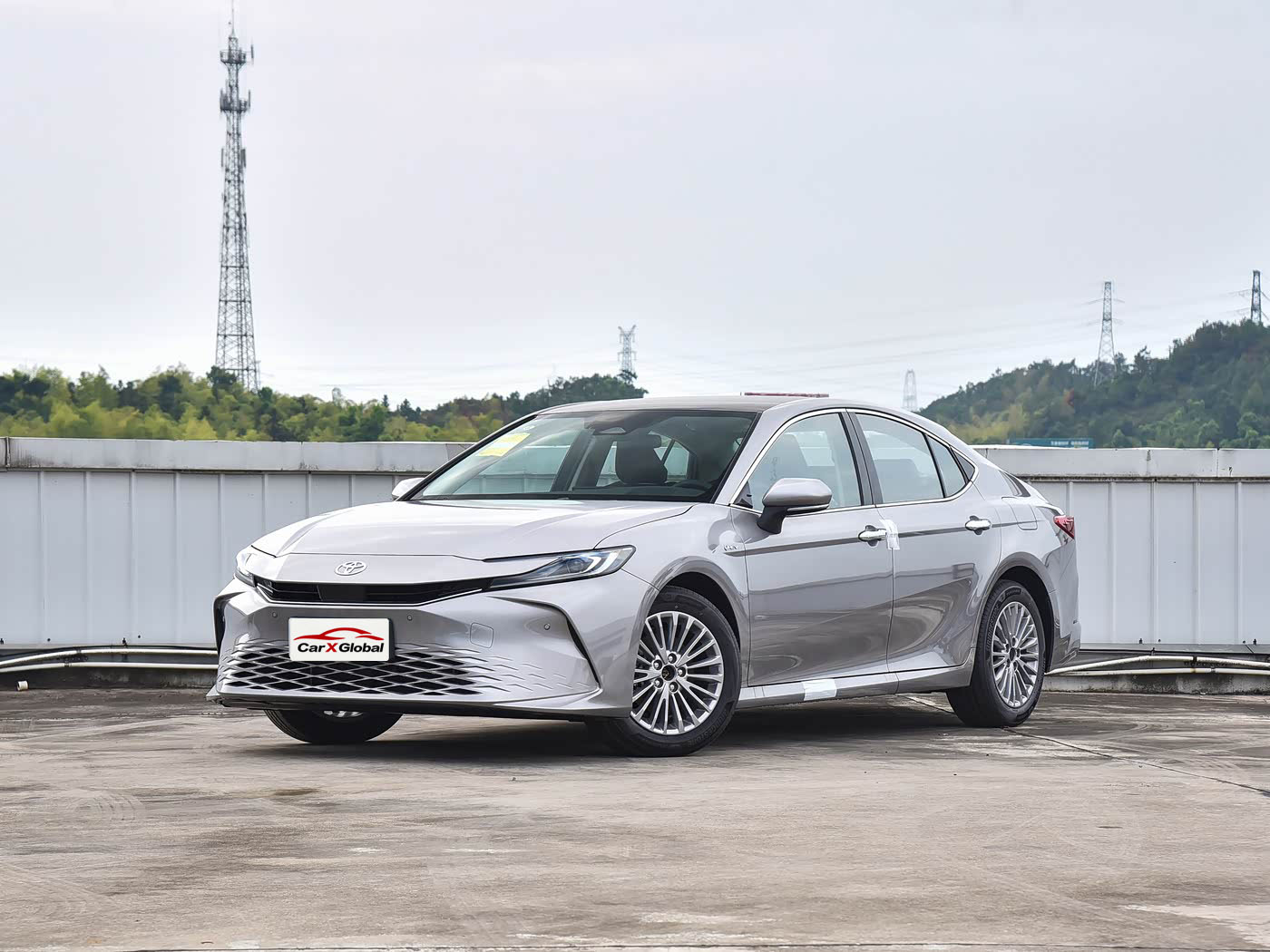
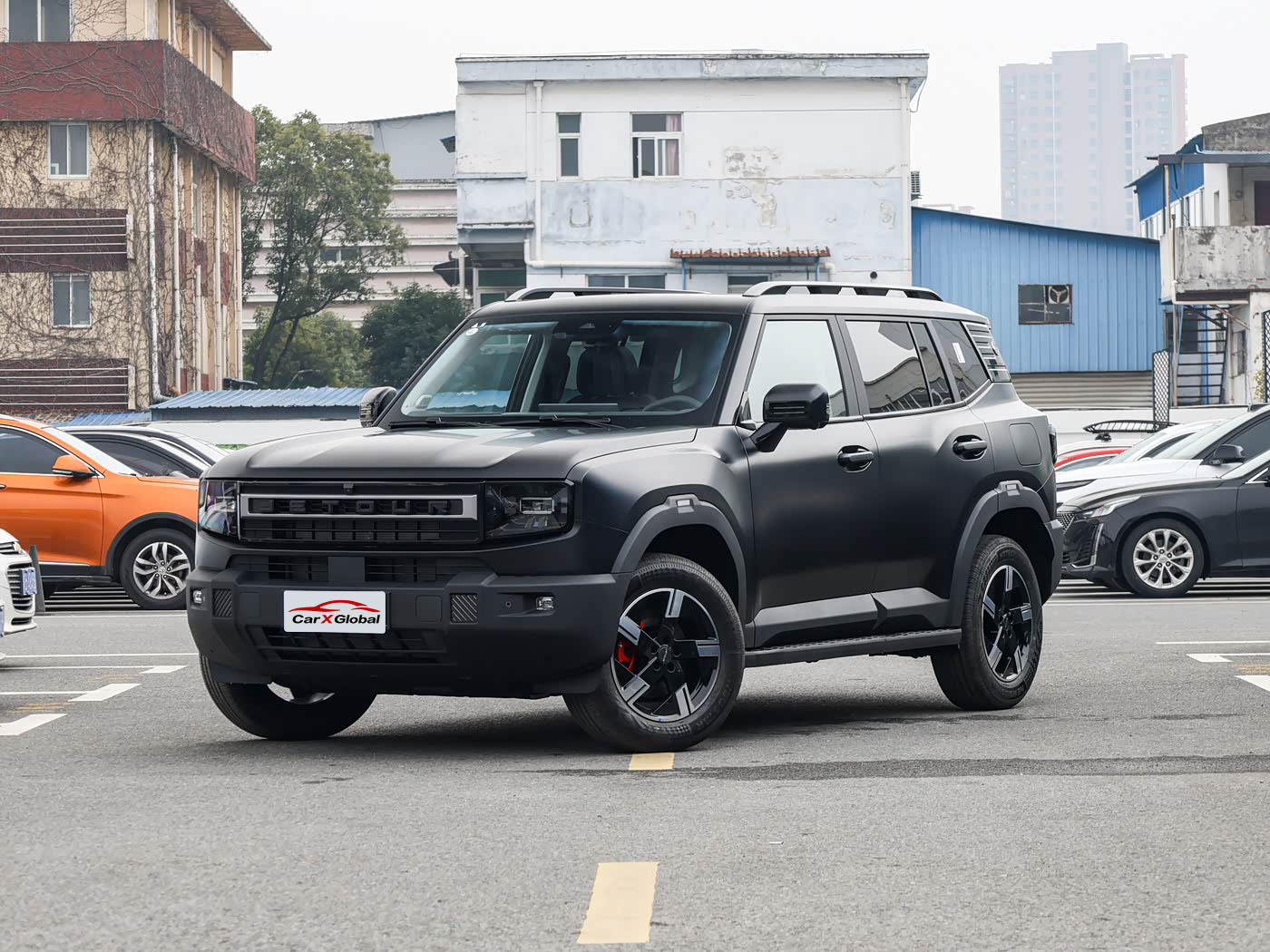
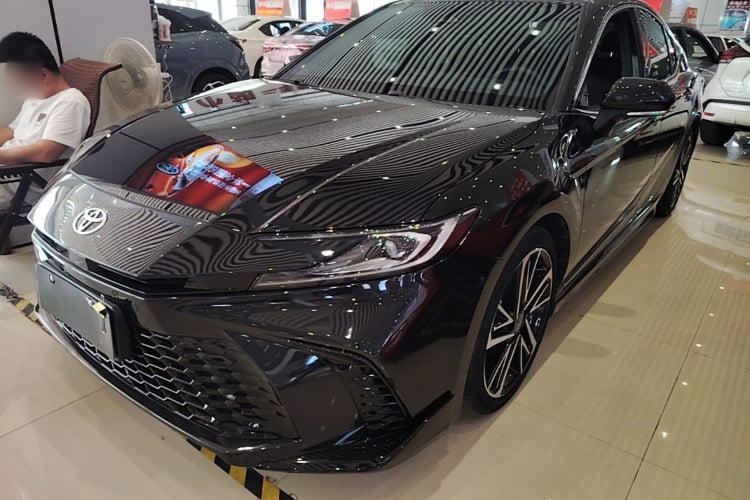
Used cars still outsell new ones by roughly four to one across most of West Africa, and that ratio isn't shrinking — it's the foundation the whole regional trade is built on. Nigeria's used car market alone is valued at USD 1.27 billion in 2026 and is projected to grow to USD 1.86 billion by 2031. For dealers sourcing vehicles from China, understanding why this demand keeps climbing — and how new rules in Lagos and Accra are reshaping it — matters more than chasing any single hot model. Mordor Intelligence
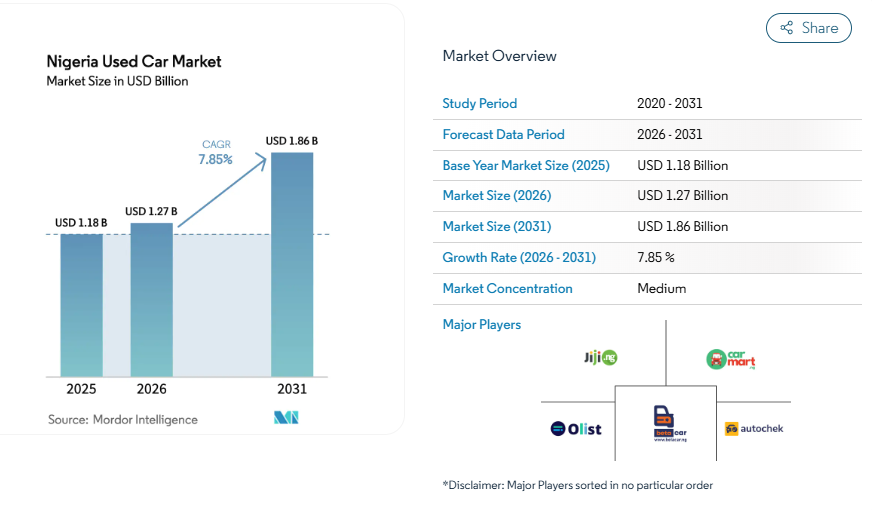
Nigeria remains the anchor market for used vehicle imports in the region. With a population north of 140 million and roughly 40 million people in the rapidly emerging middle class, used vehicle sales continue to outpace new car sales by about four to one across the country. That gap is not a temporary blip caused by a weak economy — it reflects a structural affordability ceiling that new-car pricing simply can't clear for most households. Africa-business
Ghana tells a similar story on a smaller scale. It sits alongside Nigeria as one of the handful of countries that market researchers now flag as major import centers thanks to large populations, active trading hubs, and strong demand from taxi, ride-hailing, and small business fleets. Across the wider continent, more than 80% of vehicles imported into Sub-Saharan Africa in a recent year were used units, and Nigeria and Ghana account for a meaningful share of that flow. Market Data ForecastMarket Data Forecast
For a China-based exporter, this scale matters less as a single number and more as a signal: this is not a niche market to test cautiously — it's a structural demand base that rewards dealers who build repeatable, compliant supply chains rather than one-off shipments.
2026 has brought real regulatory tightening on both sides of the Gulf of Guinea, and dealers who ignore it are the ones who get caught out at the port. In Nigeria, customs enforcement of a 12-year age ceiling on imported used vehicles, combined with higher duties, is compressing import volumes and pushing up residual values on compliant stock. Mordor Intelligence
Ghana has moved even more decisively. The Ghana Revenue Authority now strictly enforces a 10-year age limit calculated from the year of manufacture — meaning vehicles imported in 2026 must be 2016-model or newer, with no exceptions or special approval channels. Right-hand drive vehicles are also prohibited outright, regardless of condition or price. On top of the age rule, the Ghana Standards Authority will begin enforcing Pre-Export Verification of Conformity from October 1, 2026, requiring imported used vehicles to be certified against the national GS 4510 standard before they even leave the country of origin, with flood-damaged, structurally compromised, or parts-assembled vehicles blocked outright. ghana used car import 10 things +2
The takeaway for exporters is not that these markets are closing — it's that they're professionalizing. Suppliers who can document vehicle age accurately, guarantee left-hand-drive stock, and prepare for pre-shipment inspection will absorb far less friction than those still treating West Africa as a loosely regulated dumping ground.
Vehicle type preferences are shifting in ways that matter directly for sourcing decisions. Sedans still lead Nigeria's used car purchases with roughly 44.5% share, but SUVs and MPVs are the fastest-growing segment — a trend consistent with West Africa's road conditions, where higher ground clearance and durability under load matter more than fuel economy alone. Mordor Intelligence
Origin of supply is also shifting. As legacy exporters in Japan, the UK, and the US face their own cost and currency pressures, Chinese exporters with left-hand-drive-ready stock and documented service histories are increasingly competitive on price and lead time. Buyers care less about country of origin and more about three practical questions: Is the vehicle genuinely within the legal age window? Is it left-hand drive without a retrofit that compromises safety systems? And is the paperwork clean enough to clear customs on the first attempt?
Exporters like CarX Global, which maintains sourcing and inspection warehouses in Guangzhou Nansha, Khorgos, and Kashgar, are positioned to answer those questions with documentation rather than promises — batching left-hand-drive stock by destination-market compliance requirements before it ever reaches the port.
Putting these threads together, three practical implications stand out for exporters targeting Nigeria and Ghana this year. First, age compliance is no longer optional paperwork — with Ghana's 10-year cap and Nigeria's 12-year cap both strictly enforced, sourcing vehicles outside the window isn't a pricing decision, it's a non-starter. Second, left-hand-drive stock with intact original steering and safety systems will command a premium over retrofit conversions, especially as Ghana's new PVoC inspection regime takes effect. Third, SUVs, pickups, and durable mid-size vehicles are worth prioritizing in sourcing mix over pure sedan volume, given both road conditions and the direction buyer demand is trending.
Exporters working from Chinese warehouses in Khorgos, Kashgar, or Guangzhou Nansha are well placed to batch vehicles by compliance profile before shipment — separating age-eligible, left-hand-drive stock destined for Ghana or Nigeria from vehicles better suited to markets with looser age rules. That kind of pre-sorting saves overseas dealers from the costly surprise of a rejected shipment at Tema or Lagos port.
West Africa's used car demand isn't slowing down — it's getting more selective about who it buys from. Nigeria and Ghana are both tightening age limits, drive-side rules, and pre-shipment inspection requirements in 2026, and the suppliers who thrive will be the ones treating compliance as a sourcing discipline, not an afterthought. CarX Global has built its export operation around exactly this shift, running sourcing and inspection warehouses in Guangzhou Nansha, Khorgos, and Kashgar to prepare left-hand-drive, age-compliant vehicle batches by destination market. All shipments are handled on EXW or FOB terms, which gives overseas dealers a transparent cost structure at the point of departure rather than a bundled logistics quote that obscures where the real costs sit. If you're planning your 2026 sourcing mix for Nigeria or Ghana, CarX Global's regional team can walk through current age-window inventory and compliance documentation for your target market.
 Hot News
2026-09-17
2026-09-03
2026-08-25
2026-08-13
2026-08-07
2026-08-04

Ready to Source Quality Vehicles from China? Fill in Your Details & Get Started.
Office 1325, No. 355 Xingang East Rd,Pazhou, Haizhu District,Guangzhou, Guangdong, China 510000
Copyright © CarX Global All Rights Reserved | Privacy Policy
 EN
EN