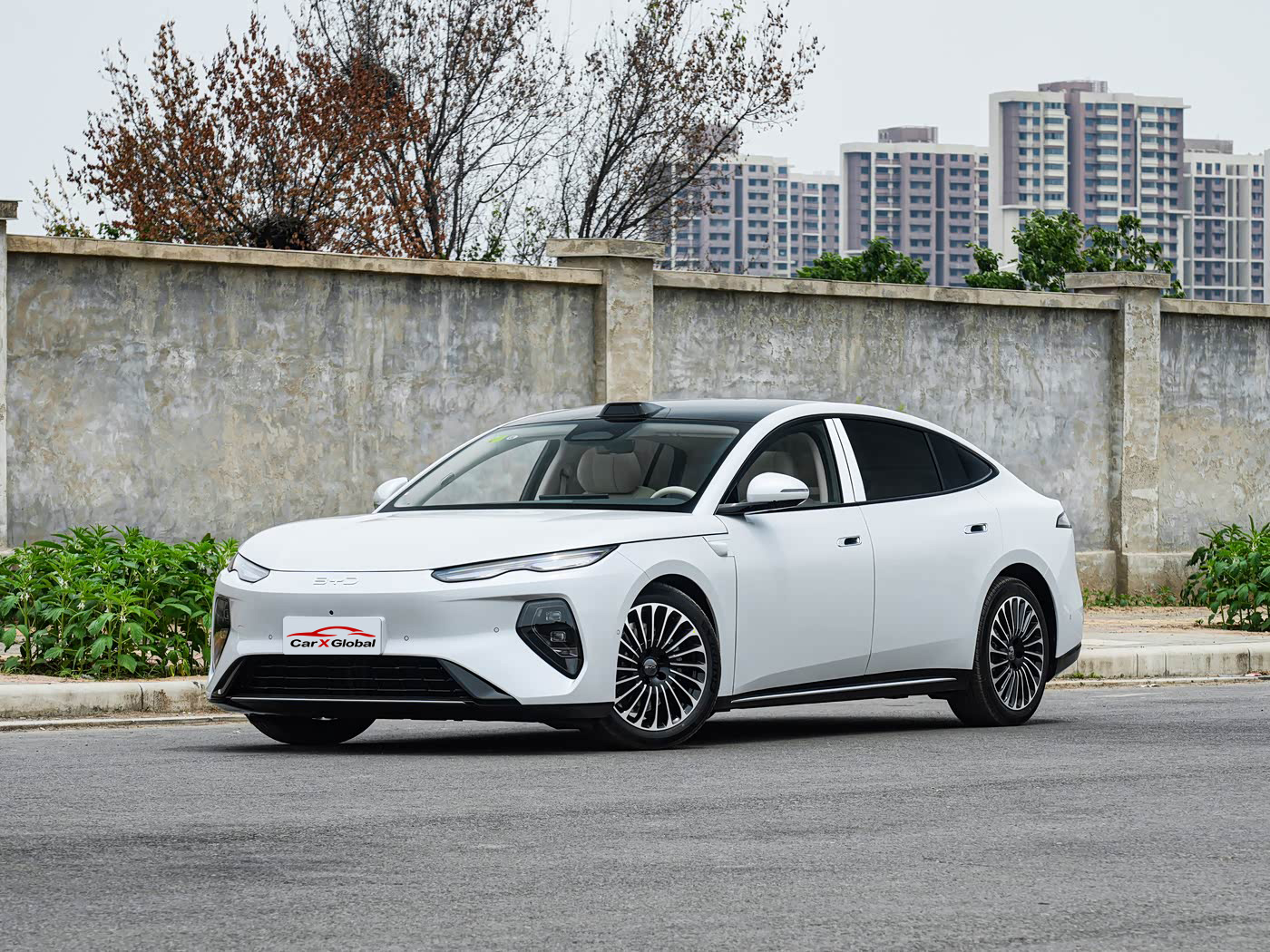
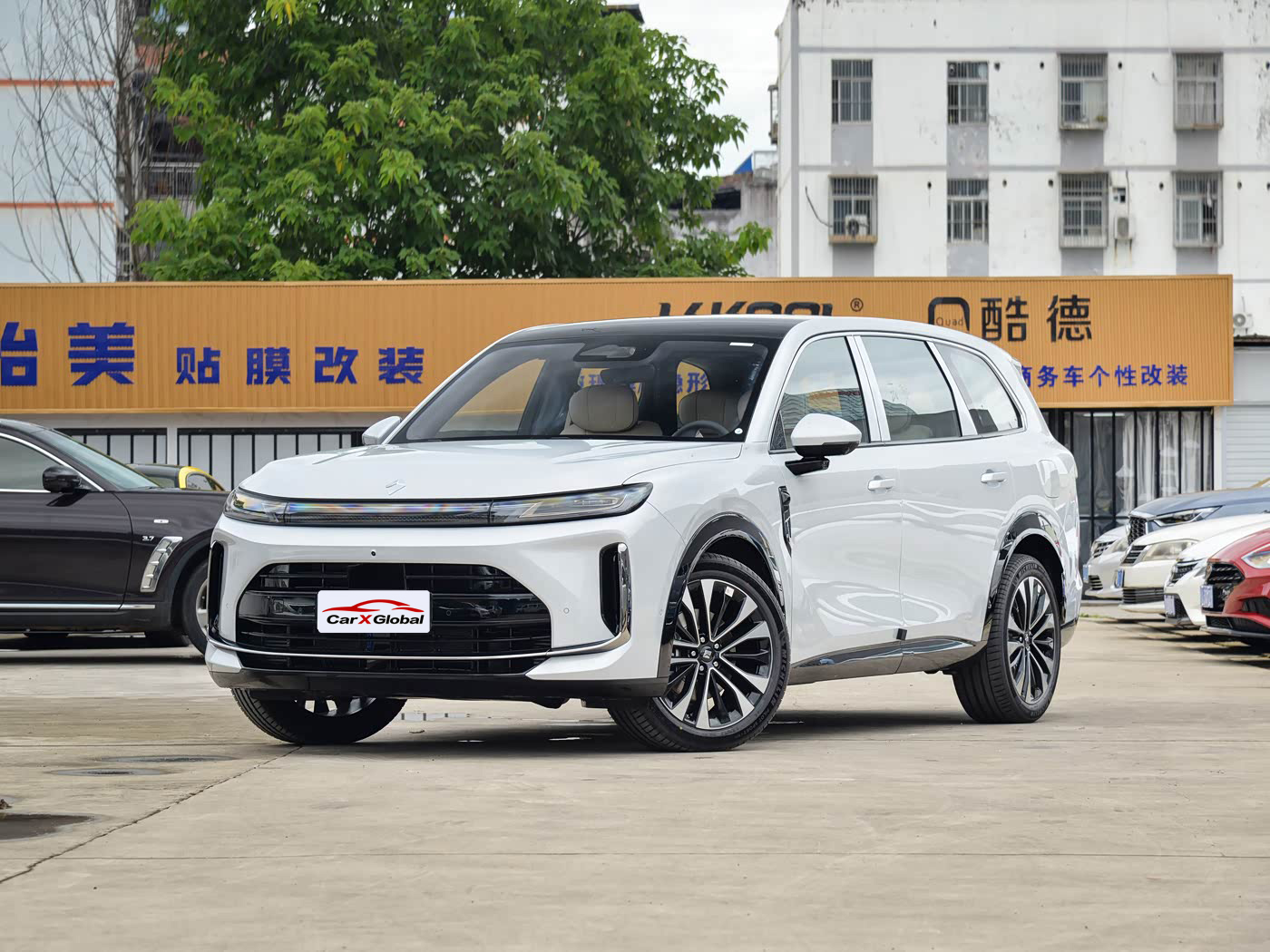
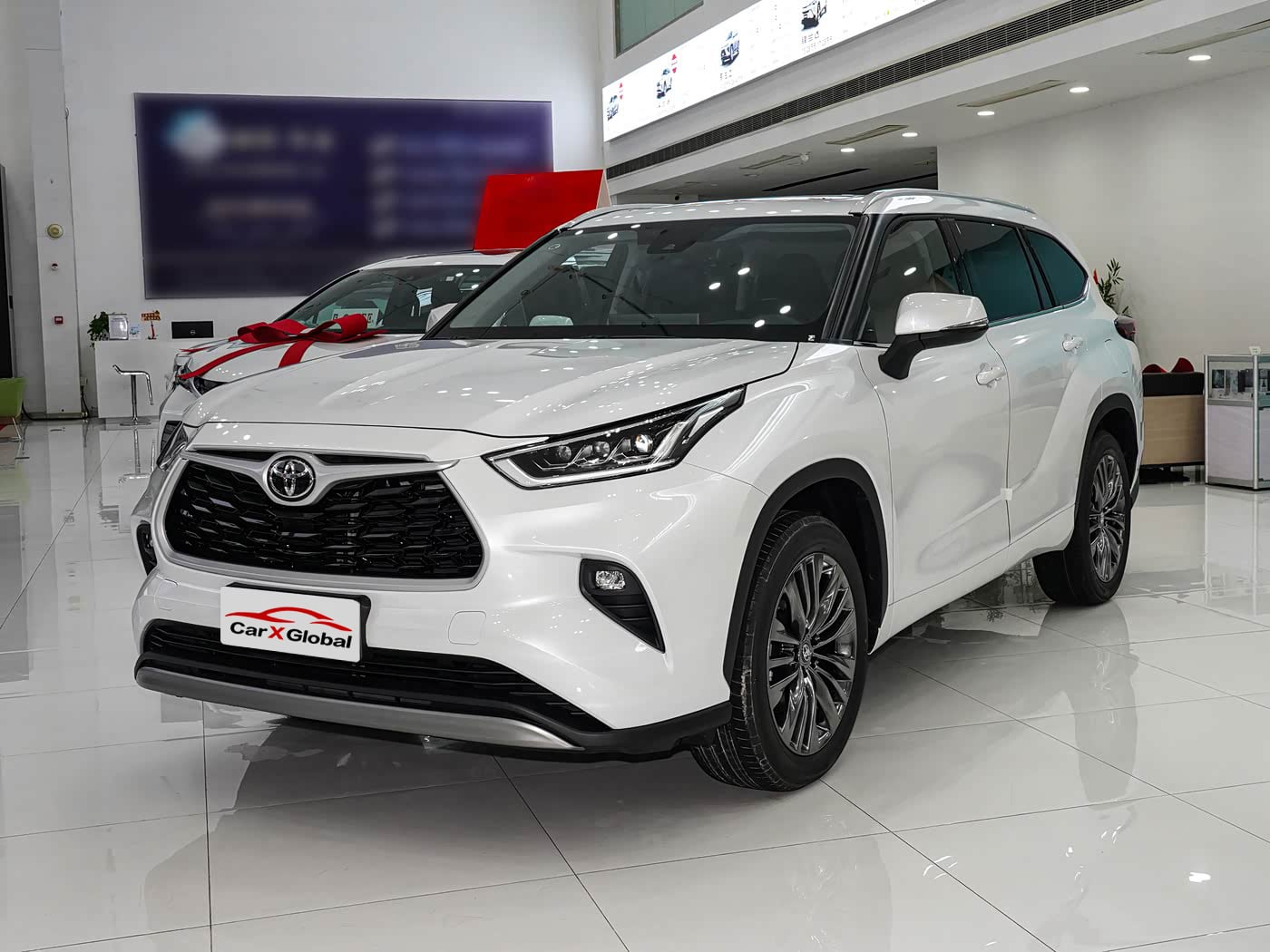
Picture a port with no coastline, no cranes lifting containers off ships, and no ocean in any direction for over a thousand miles. That is Khorgos — and it now moves more vehicles than many coastal terminals ever will. Alongside Kashgar, a few hundred kilometers to the south, these two inland hubs in China's Xinjiang region have quietly become the backbone of overland vehicle trade into Central Asia. For overseas dealers used to thinking of "export" as a shipping-container story, the Kashgar-Khorgos corridor offers a different lesson: sometimes the fastest, most cost-efficient route to market runs on rail, not water.
Long before freight trains existed, Kashgar and Khorgos sat along branches of the ancient Silk Road, where caravans carried silk, tea, and ceramics between China and the West. Khorgos's name is understood in Kazakh as "the place where wealth accumulates," a place where laden camels once moved silk, porcelain, and tea along the ancient trade route. That overland trading identity did not disappear with the shift to maritime shipping — it was rebuilt, this time around standard-gauge and broad-gauge railway lines rather than camel trails. Khorgos expands role as major trade hub
The modern version of this corridor runs through the Khorgos Gateway Dry Port, a transshipment hub where cargo moves between China's rail gauge and the broader gauge used across Kazakhstan and much of Central Asia. The dry port handled more than 372,000 twenty-foot equivalent units in 2025, a 2% increase over the previous year, reflecting steady growth in cross-border freight between China, Central Asia, and Europe. Kashgar, meanwhile, has developed its own bonded zone and multiple land ports connecting to Pakistan, Tajikistan, and Kyrgyzstan, giving it a broader reach into South and Central Asia than Khorgos alone. Kazakhstan’s Khorgos Dry Port Accelerates Eurasian Transit in 2025
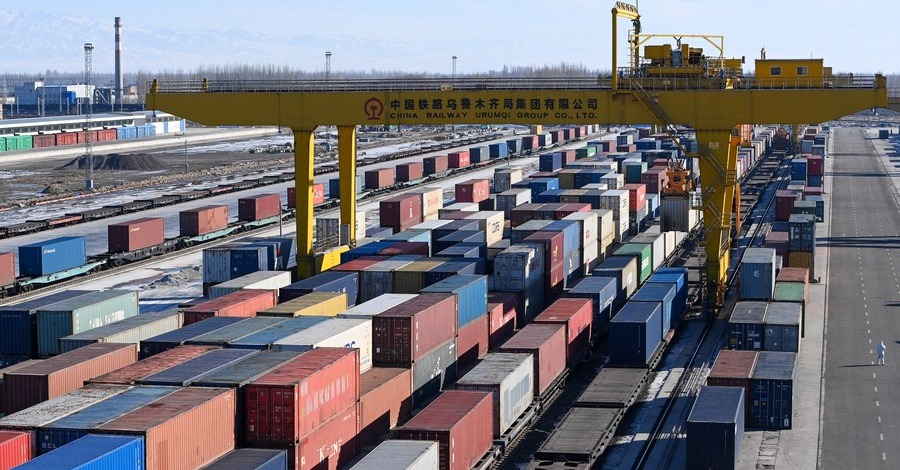
For dealers unfamiliar with the region, the scale can be surprising. Khorgos has evolved into China's largest land port for automobile exports, and hundreds of finished vehicles are transported daily through the port to Kazakhstan, Uzbekistan, and other countries along the Belt and Road route. This isn't a niche side channel — it's a primary artery for getting Chinese-made vehicles into markets that have limited or no direct sea access. Khorgos thrives as trade gateway Xinjiang transforms into international trade hub
Kashgar's growth has followed a similar curve, even if the vehicle volumes are smaller in absolute terms. In one recent seven-month period, the total value of imports and exports through Kashgar reached 42 billion yuan (roughly $5.76 billion), a 127% year-on-year increase, driven in part by an integrated customs clearance model that shortened processing times. Nearby, at the Torugart land port in the Kizilsu Kirgiz autonomous prefecture, vehicle exports surged roughly fourfold in a single year to reach 35,000 units, with close to 80% being new energy vehicles bound largely for Russia via Central Asian countries. These are not isolated data points — they describe a corridor that has shifted from general cargo to vehicle-heavy freight in a relatively short window. Xinjiang transforms into international trade hub Land port in Xinjiang a western gateway for automobile exports
The timing lines up with a broader national trend. Chinese used vehicle exports have grown significantly since around 2022, when domestic automakers began actively targeting Central Asian markets such as Uzbekistan, with the Khorgos Gateway becoming a crucial hub for that shift. At the national level, China's used car exports now reach more than 160 countries, supported by a maturing export ecosystem that includes overseas warehouse networks and, since March 2024, a nationwide used-car export qualification system. Overland corridors like Kashgar-Khorgos are a direct beneficiary of that maturation — they give exporters a faster, lower-friction alternative to routing everything through coastal ports first. India Shipping News The 2025 Export Market for the Used Car Industry
It's worth being precise about what "sourcing through Kashgar or Khorgos" means in practice, because the mechanics differ from a typical sea-freight export. Vehicles move from the manufacturing base or a bonded warehouse, cross the border by rail or truck, and transfer at the dry port between China's standard gauge and the broader gauge used regionally — the exact transshipment step that makes Khorgos valuable in the first place. From there, vehicles continue by rail or road into Kazakhstan, Uzbekistan, Kyrgyzstan, and onward markets.
For dealers, the trade terms attached to this process matter more than they might expect. Most reputable exporters working this corridor, CarX Global included, operate strictly on EXW (Ex Works) or FOB (Free on Board) terms — meaning the exporter's responsibility ends at the factory gate or the loading point, not at the dealer's own warehouse door. This isn't a limitation so much as a clarity mechanism: a dealer who understands exactly where the exporter's responsibility ends can plan onward transport, customs brokerage, and insurance with far fewer surprises than one working with a supplier who blurs those lines. Exporters who claim to handle "door-to-door delivery" across a corridor this complex are usually describing a role — freight forwarder or carrier — that sits outside a standard vehicle export agreement.
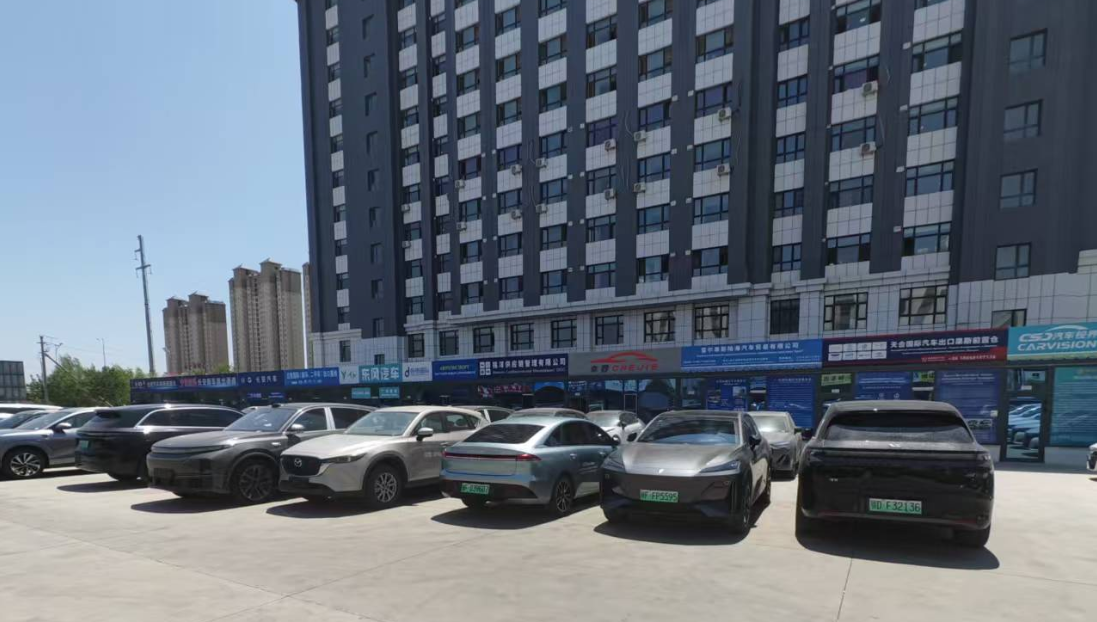
A few practical takeaways emerge from watching how this corridor has developed over the past few years.
First, physical presence along the route is a meaningful signal. Exporters with warehouses actually positioned in Kashgar or Khorgos — rather than simply claiming to "ship through" the region — have direct access to the customs clearance processes and rail scheduling that make overland export viable at scale. This matters more in a landlocked corridor than in ocean freight, where almost any exporter can book space on a container line.
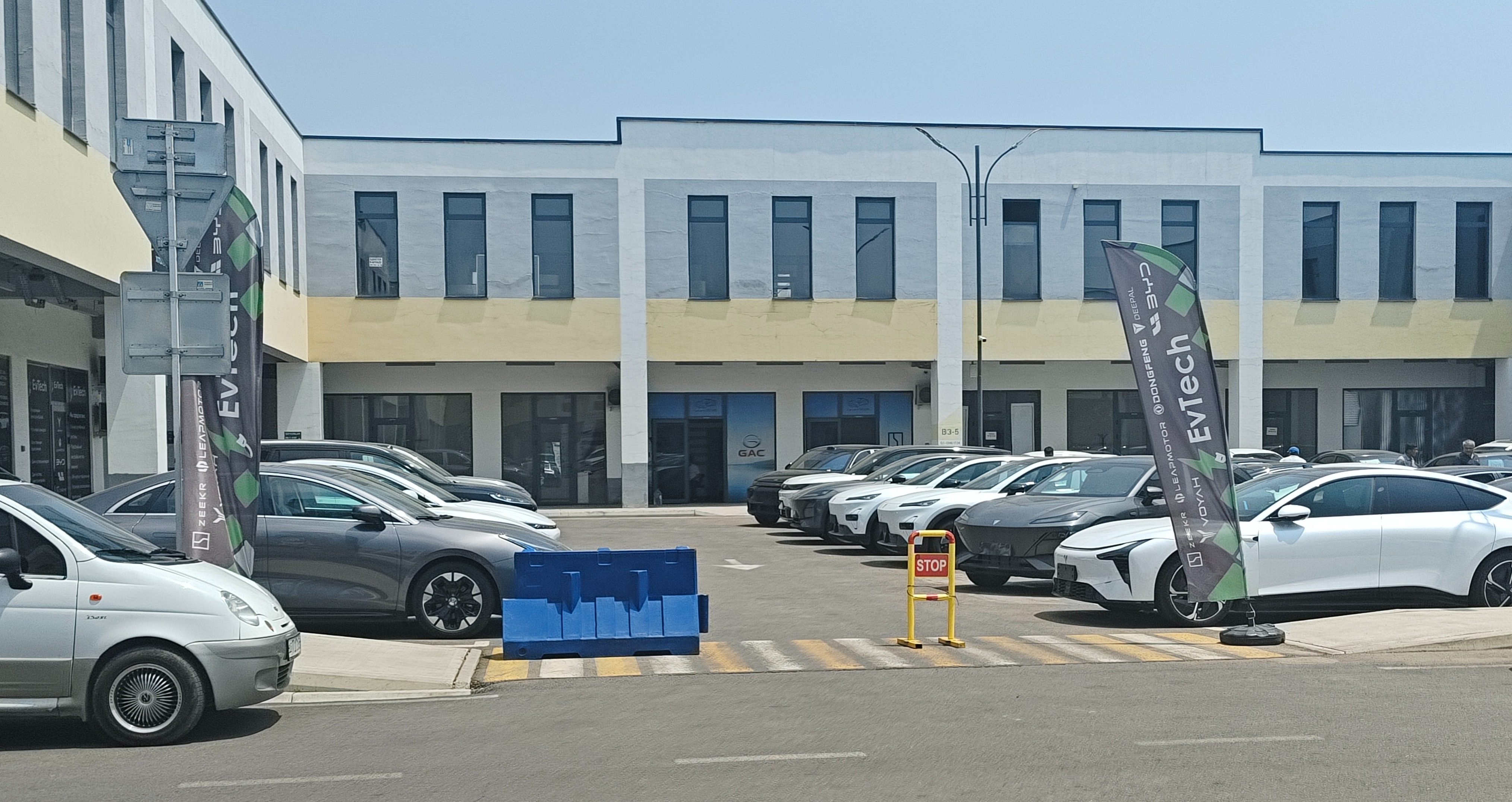
Second, showroom presence in destination markets is a stronger trust signal than marketing claims. An exporter with a physical showroom in Bishkek or Tashkent, for example, has made a longer-term commitment to that market than one selling purely through intermediaries, and dealers can often verify vehicle condition, paperwork, and after-sale expectations more directly as a result.
Third, dealers should ask specifically about trade terms before assuming anything about logistics responsibility. EXW and FOB are common in this corridor precisely because they keep the transaction's risk allocation clean — but a dealer who doesn't confirm this upfront may end up budgeting for services the exporter never intended to provide.
Fourth, volume and consistency matter more than headline pricing. A corridor moving thousands of vehicles a year through established rail infrastructure, as Khorgos and the nearby Torugart port now do, tends to produce more predictable lead times than smaller, irregular shipments routed opportunistically.
Is rail freight through Khorgos slower than sea freight? Not necessarily. Rail corridors linking China to Central Asia and onward to Europe have been built specifically to cut transit times compared with a sea route that would otherwise require going around or through multiple ocean legs — this is the corridor's core value proposition for landlocked destination markets.
Does this corridor only handle new vehicles? No. Both new and used vehicle exports move through Kashgar and Khorgos, and the mix has shifted over the past several years as demand for used and new-energy vehicles in Central Asia has grown alongside new vehicle exports.
Do all exporters using this route offer the same trade terms? No — this is precisely why dealers should confirm terms directly rather than assume. EXW, FOB, and (less commonly on this route) other terms carry different responsibility boundaries, and conflating them is one of the more common sourcing mistakes among first-time overland buyers.
The shift of Kashgar and Khorgos from historic waypoints to major vehicle export corridors is a reminder that "export infrastructure" doesn't have to mean a seaport. For dealers sourcing vehicles from China into landlocked or Central Asia-adjacent markets, understanding how this corridor actually works — the transshipment mechanics, the trade terms, the role of physical presence — is more useful than chasing the lowest quoted price.
CarX Global has built its own presence along exactly this route, with bonded warehouses in Guangzhou Nansha, Khorgos, Kashgar, and Qingdao, and overseas showrooms in Dubai, Bishkek, and Tashkent. All export transactions are handled on EXW or FOB terms, giving dealers a clear, upfront picture of where responsibility for freight, insurance, and onward transport begins. For dealers exploring the Central Asia corridor specifically, having a supplier with warehouse infrastructure already positioned in Kashgar and Khorgos — rather than one shipping in from a coastal base with no regional footprint — can meaningfully shorten lead times and reduce customs friction. Dealers interested in learning more about how this corridor works in practice can reach out to CarX Global's regional team to discuss sourcing options.
 Hot News
2026-09-17
2026-09-03
2026-08-25
2026-08-13
2026-08-07
2026-08-04

Ready to Source Quality Vehicles from China? Fill in Your Details & Get Started.
Office 1325, No. 355 Xingang East Rd,Pazhou, Haizhu District,Guangzhou, Guangdong, China 510000
Copyright © CarX Global All Rights Reserved | Privacy Policy
 EN
EN