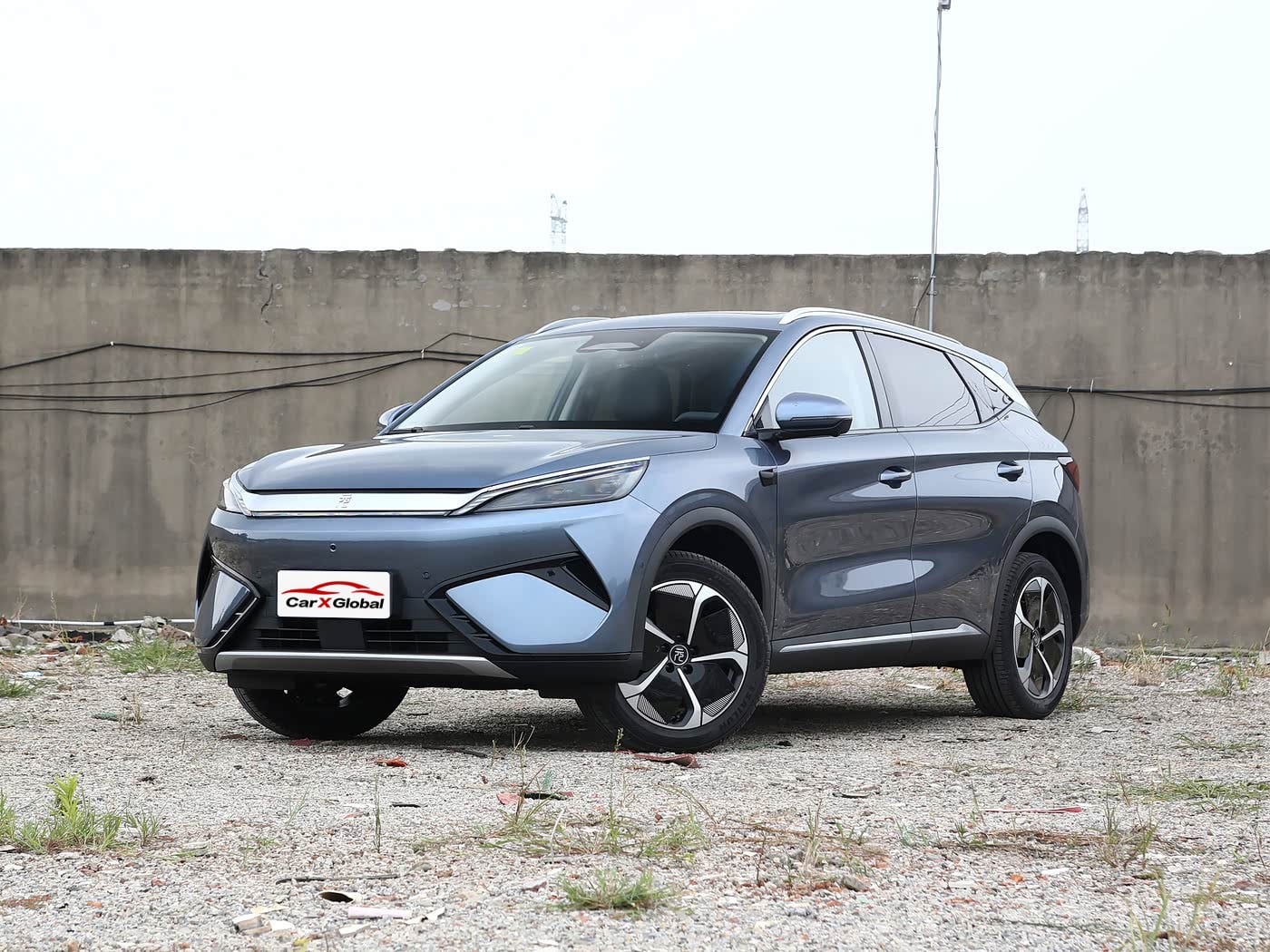
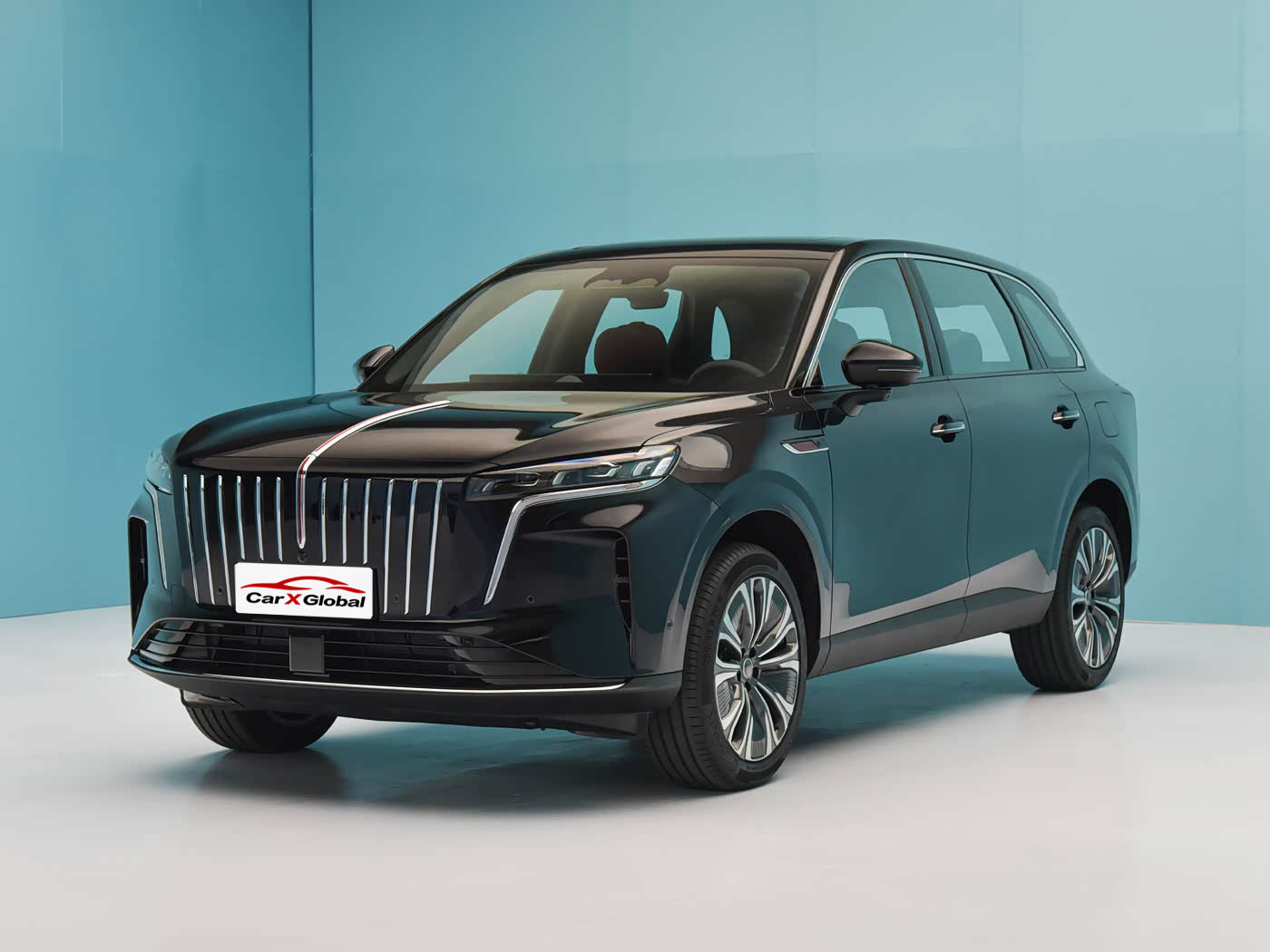
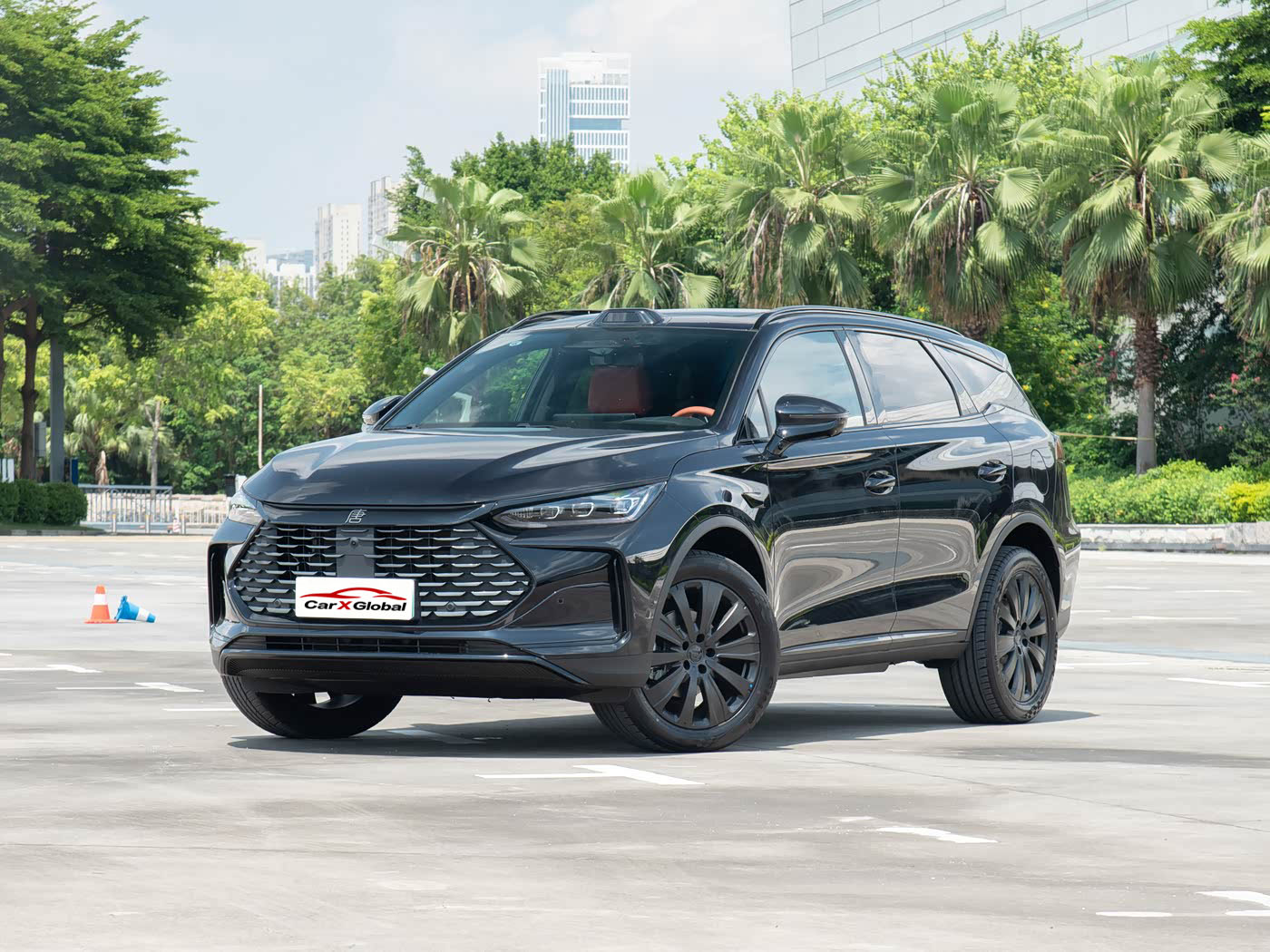
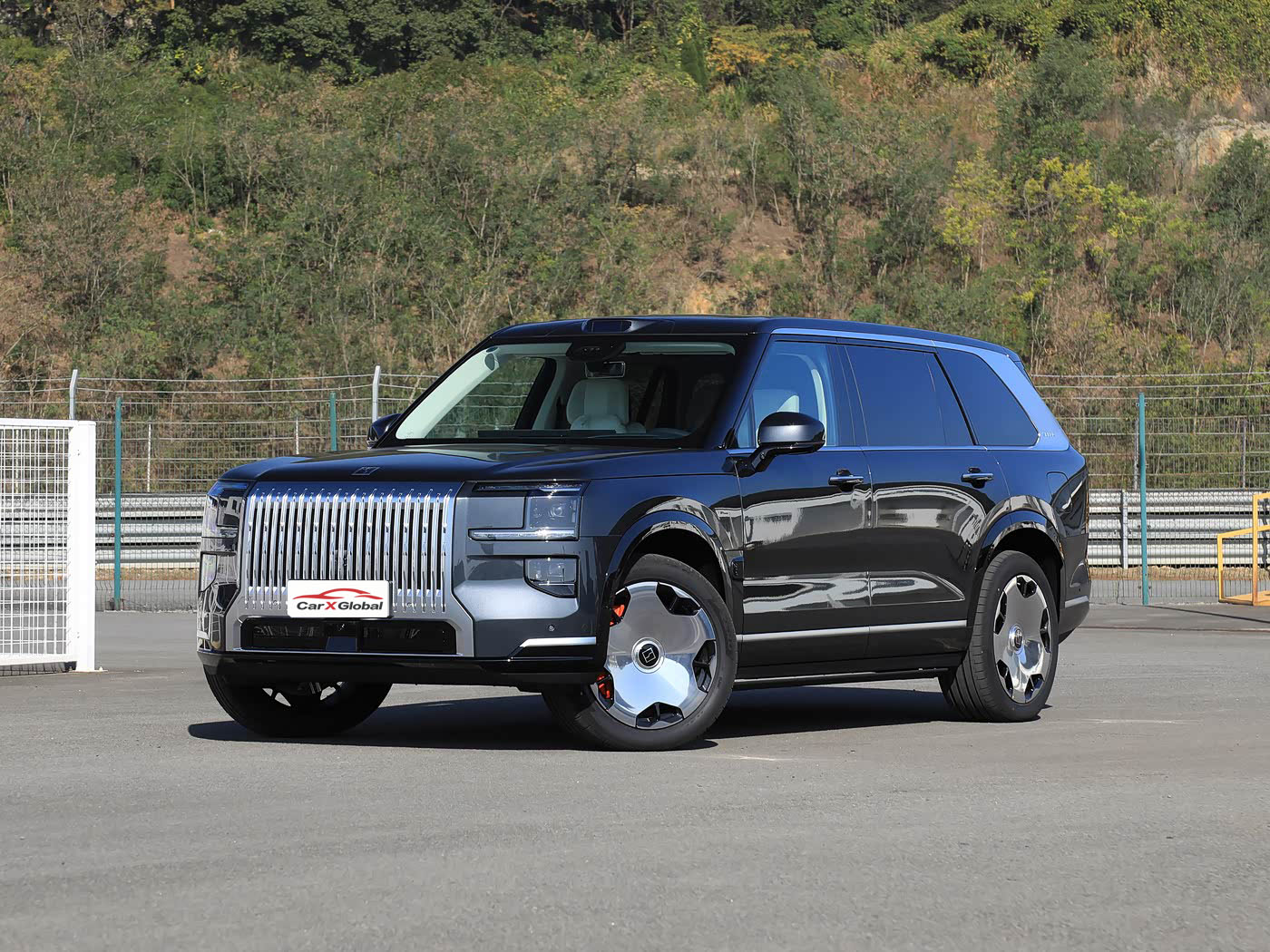
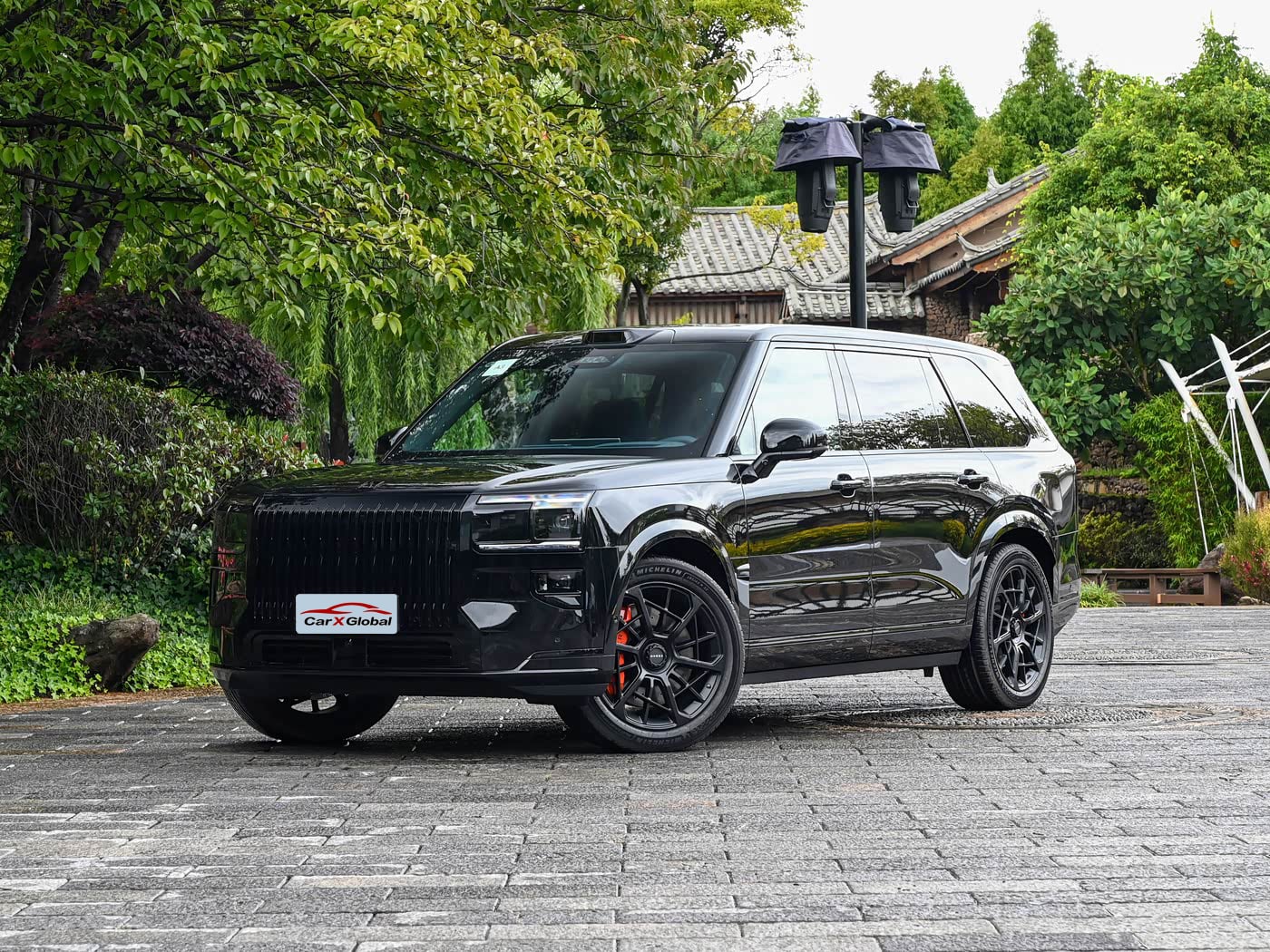
Central Asia's vehicle market has quietly become one of the more interesting stories in global auto trade. In Kazakhstan, Chinese brands now hold over 40% of new vehicle sales, while Uzbekistan continues expanding local assembly capacity even as import volumes climb. For overseas dealers evaluating where to source their next batch of inventory, the region's shift away from gray-market imports and Russian-dominated supply chains toward regulated, China-linked trade routes is changing both the opportunity and the compliance picture. Here's what's actually happening on the ground, and what it means for how you source and structure deals.
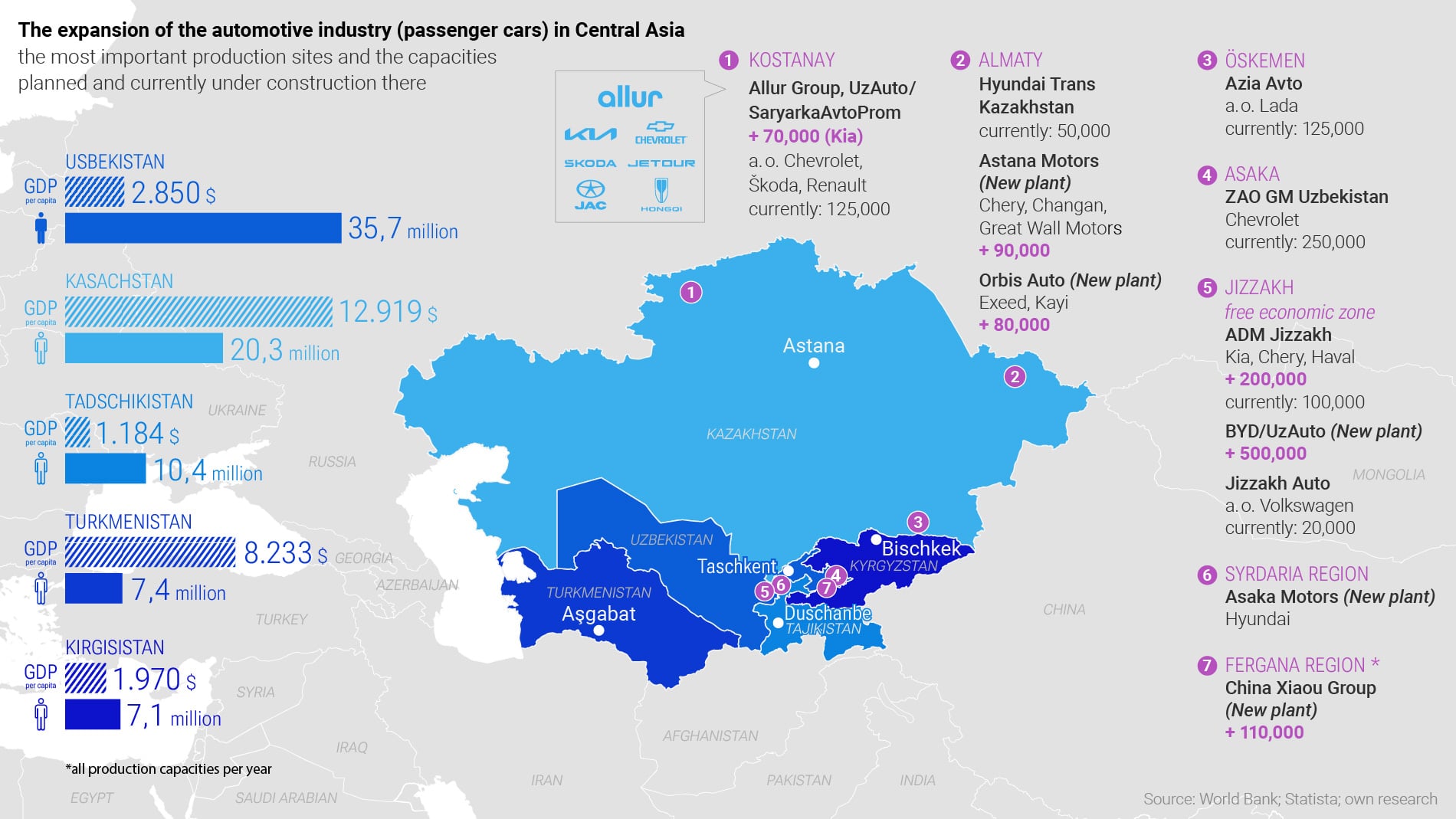
Central Asia — Kazakhstan, Uzbekistan, Kyrgyzstan, Tajikistan, and Turkmenistan — has historically split into two camps: countries with domestic assembly (Kazakhstan, Uzbekistan) and countries that rely almost entirely on imports (Kyrgyzstan, Tajikistan, Turkmenistan). That split is still there, but the balance of supply has moved decisively toward China. China has rapidly expanded its influence in the region's automotive sector since the pandemic and is becoming the dominant external supplier even in countries with their own manufacturing capabilities. The Times Of Central Asia
The scale of local production is also growing. Uzbekistan produced 212,200 passenger vehicles in the first seven months of 2025, a 3.5% increase over the same period the year before, and it remains one of the region's two manufacturing hubs alongside Kazakhstan. Analysts covering the sector describe Central Asia as a genuine growth market for the global auto industry, with rising importance for international manufacturers and investors — not just a transit corridor between Europe and China, but a demand center in its own right. The Times Of Central Asia Messefrankfurt
For dealers who've spent years focused on Africa or the Middle East, this is worth a second look. Vehicle ownership per capita in much of Central Asia is still low, fleets are aging, and government policy in several countries is now actively steering the market toward newer, cleaner vehicles — conditions that tend to favor well-positioned exporters over the next several years.
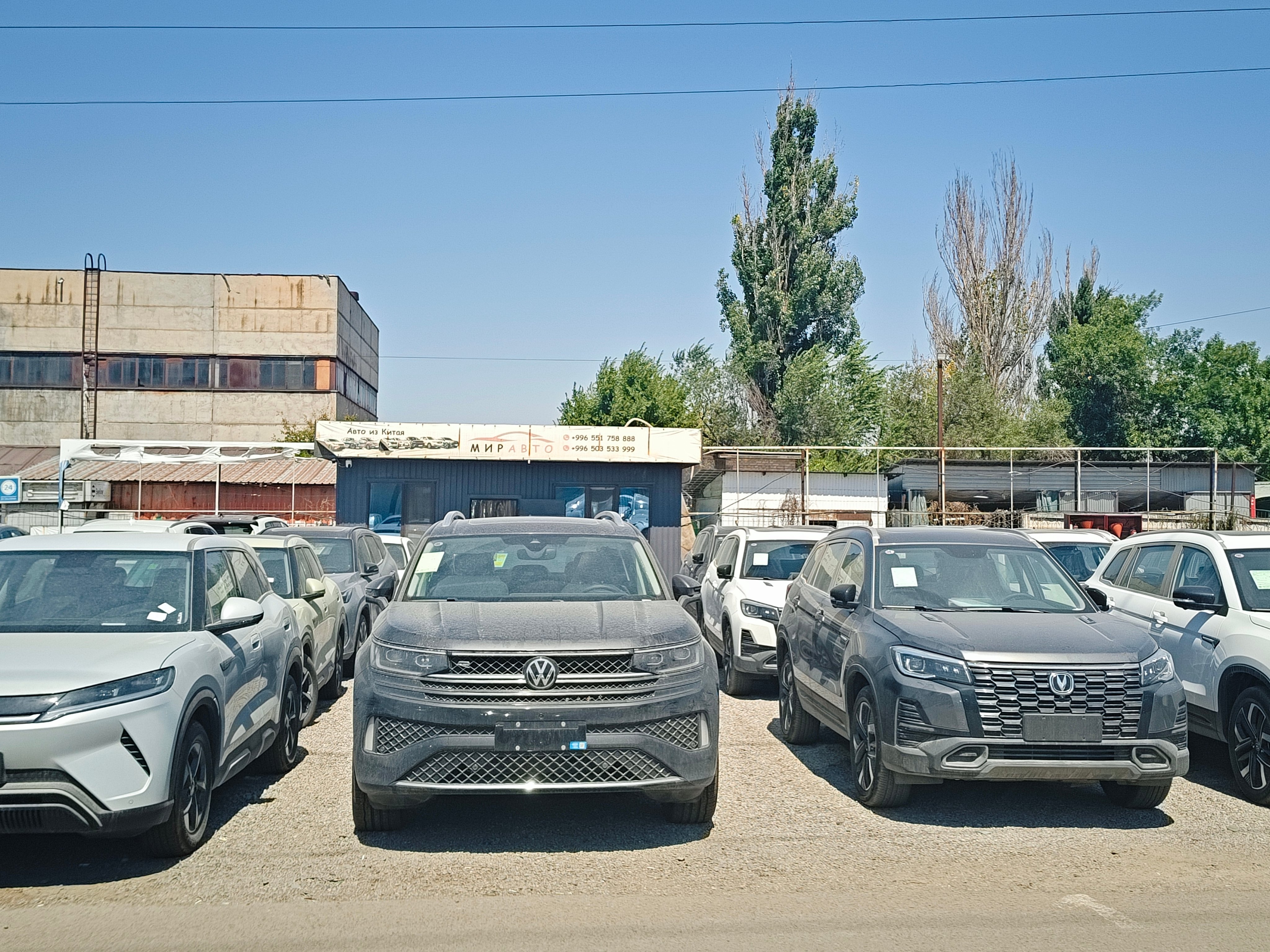
Kazakhstan is the region's largest economy and the best illustration of how fast things are moving. By March 2026, Chinese brands had captured more than 40% of the domestic market, with Chery, Jetour, Changan, Haval, Geely, and JAC all ranking among the country's top ten sellers. That's a dramatic reversal from a market that was, until recently, dominated by Russian and Western nameplates.
Two structural changes are driving this. First, the government is actively closing down the unregulated gray-market import channel that once accounted for a majority of vehicle sales — at its peak in 2023, more than 60% of cars entered the country through informal channels. Stricter tax and administrative rules are now pushing volume toward licensed importers and corporate distributors, which favors dealers who can operate through proper, documented channels rather than informal networks.
Second, localization has become a competitive necessity rather than an option. Early-2026 data showed local output rising by more than 37% year-on-year, and new domestic assembly capacity — like the Astana Motors Manufacturing Kazakhstan plant — has allowed 7–15% price cuts on locally produced models. This matters because it raises the bar for imported vehicles: dealers bringing cars into Kazakhstan increasingly compete against fresher, locally assembled stock rather than aging fleets. Kazakhstan's vehicle fleet is still old by regional standards — more than 41% of cars on the road are over 20 years old — which keeps replacement demand strong even as the competitive field gets tougher.
Uzbekistan sits in a similar but distinct position. It has its own domestic industry (UzAuto, built on the old GM/Chevrolet joint venture), but that lineup doesn't cover every segment, and imports fill the gap for buyers wanting more variety or newer technology. Uzbekistan imported roughly $1.28 billion worth of vehicles in 2024, with over 80% originating from China — a clear signal of where the country's sourcing has shifted. Tashkent's growing role as a regional logistics and business hub, combined with GDP growth in the mid-single digits, is expanding the middle class and demand for higher-quality vehicles beyond what domestic production covers.
Kyrgyzstan, Tajikistan, and Turkmenistan don't have meaningful domestic manufacturing and rely almost entirely on imports, which makes them more directly exposed to shifts in exporter behavior. In these markets, Chinese suppliers increasingly serve two functions at once — as an end market and, in Kyrgyzstan and Kazakhstan's case, as a re-export hub toward Russia. Engagement patterns differ by country: Tajikistan and Turkmenistan rely more heavily on government relationships and policy incentives than open-market competition, which is worth understanding before assuming any two Central Asian markets behave the same way.
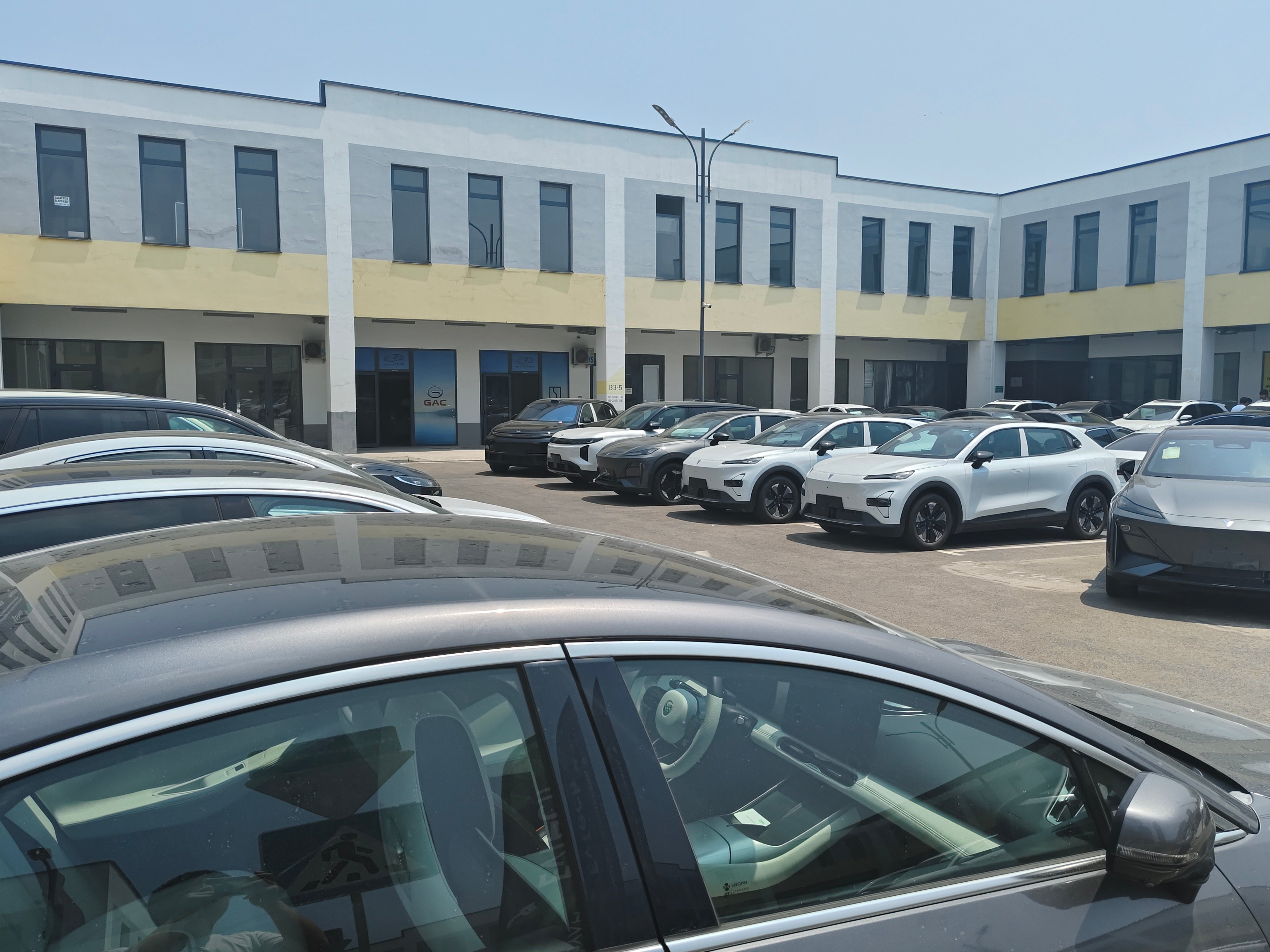
This is the part that trips up dealers who are new to the region: import duty structures in Central Asia are not standardized, and getting them wrong eats directly into margin.
In Uzbekistan, duty is calculated on a combination of vehicle age and engine displacement. Vehicles under three years old sit in the lowest bracket, generally starting around 15% plus a per-cubic-centimeter charge, while vehicles over seven years old face punitive rates that can run into several euros per cc. On top of the tariff itself, Uzbekistan applies VAT, a customs processing fee, and a recycling (utilization) fee — the last of which was raised 300–400% in 2025, which materially changes the math on older stock even where EVs still enjoy a 0% duty exemption through January 2028. This makes vehicle age at the point of import one of the single biggest variables in landed cost.
Kyrgyzstan runs a different system. Only left-hand-drive vehicles under ten years old are permitted, and imports are subject to VAT and monthly holding charges under certain import statuses, with full duty and tax due before resale is allowed. Import duty levels here have historically been the lowest in the region, but that gap has been narrowing as Kyrgyzstan aligns more closely with Eurasian Customs Union members, so dealers who priced deals based on older duty assumptions should re-check current rates before committing.
The practical takeaway: don't assume a duty structure from one Central Asian country applies to the next one. A vehicle that clears profitably into Uzbekistan may not pencil out in Kyrgyzstan once age brackets and recycling fees are applied, and vice versa. Confirming current rates with a local customs broker before quoting a buyer is not optional in this region — it's the difference between a deal that works and one that doesn't.
A few practical implications follow from all this for dealers building or expanding a Central Asia pipeline:
1) Prioritize newer stock. With most countries' duty structures penalizing older vehicles, and Kazakhstan's local competition getting fresher, inventory in the 1–3 year age bracket generally clears faster and at better margins than older stock, even though it costs more upfront.
2) Treat each country as a separate market. Kazakhstan, Uzbekistan, and Kyrgyzstan have different duty schedules, different domestic competition, and different buyer expectations. A sourcing strategy built for one doesn't transfer cleanly to the next.
3) Watch the gray-market wind-down. As Kazakhstan and other markets tighten rules on informal imports, buyers who used to source through unofficial channels are shifting toward licensed, documented supply chains. That's an opening for exporters who can offer clean paperwork and consistent sourcing — but it also means buyer expectations around documentation are rising.
4) Factor in logistics routing. Central Asia's position between China and the wider Eurasian corridor gives dealers real routing flexibility. Suppliers with warehouse capacity near the western Chinese border — Khorgos and Kashgar, for instance — are closer to the land routes into Kazakhstan, Kyrgyzstan, and onward into Uzbekistan than suppliers shipping purely by sea, which can shorten lead times on time-sensitive orders. CarX Global, for one, operates warehouses in both Khorgos and Kashgar alongside showrooms in Bishkek and Tashkent, which reflects how exporters are positioning themselves closer to this specific corridor.
5) Confirm EV and hybrid incentives before you quote. Several countries in the region are actively subsidizing EV imports through duty exemptions, which changes the competitive math on electrified stock versus gasoline vehicles. These incentives can also change with little notice, so they're worth reconfirming close to the time of shipment rather than assuming last quarter's rate still applies.
None of this is risk-free. Localization policy in Kazakhstan and Uzbekistan is deliberately designed to favor domestic assembly over time, which means the import window — while open now — isn't guaranteed to stay this favorable indefinitely. Dealers should also be cautious about assuming Russia's declining market share creates permanent open space; regional trade relationships remain politically sensitive, and policy can shift with government priorities. Finally, given how fast duty schedules and recycling fees have moved in just the past year, any pricing built on data older than a few months should be re-verified before it's used in a quote.
Central Asia isn't a niche market anymore. It's a region where Chinese brands have already displaced legacy competitors in the fastest-growing segment, where local manufacturing is scaling up rather than slowing down, and where governments are actively reshaping trade rules in ways that reward dealers who source cleanly and stay current on country-specific regulation. Exporters positioned close to the region's land corridors — with the documentation and local presence to match — are the ones best set up to benefit as the market keeps evolving through 2026 and beyond.
CarX Global works with overseas dealers sourcing vehicles for markets across Central Asia, the Middle East, Africa, and South America, with warehouse capacity in Guangzhou Nanshan, Khorgos, Kashgar, and Qingdao, and regional showrooms in Dubai, Bishkek, and Tashkent. All export transactions are handled on EXW or FOB terms, meaning dealers get clear, transparent pricing at the point of factory or port handover rather than a bundled logistics quote that obscures the actual cost of the vehicle. If you're evaluating sourcing options for the region, the CarX Global regional team can walk through current duty considerations and inventory availability by market.
 Hot News
2026-09-17
2026-09-03
2026-08-25
2026-08-13
2026-08-07
2026-08-04

Ready to Source Quality Vehicles from China? Fill in Your Details & Get Started.
Office 1325, No. 355 Xingang East Rd,Pazhou, Haizhu District,Guangzhou, Guangdong, China 510000
Copyright © CarX Global All Rights Reserved | Privacy Policy
 EN
EN