 EN
EN

Introduction
Every export order eventually comes down to one operational decision that dealers often underweight: does this shipment go by RoRo or by container? It looks like a logistics detail, but it actually shapes cost per unit, transit time, damage risk, and even which destinations are viable at all. Get it wrong and a dealer either overpays on a route where RoRo would have been cheaper, or exposes higher-value stock to handling risk it didn't need to take. This article breaks down how each method actually works, what the real cost and time differences look like, and how to match shipping method to destination — whether that's a coastal port in West Africa, a Gulf hub, or a landlocked market reached overland through Central Asia.
How Each Method Actually Works
RoRo — roll-on/roll-off — uses purpose-built Pure Car and Truck Carrier (PCTC) vessels. The vehicle is driven onto the ship under its own power via a ramp, secured to the deck or an internal deck level, and driven off again at the destination port. There's no crane lift, no container loading, and no consolidation wait — the vehicle essentially rides as a passenger for the length of the voyage.
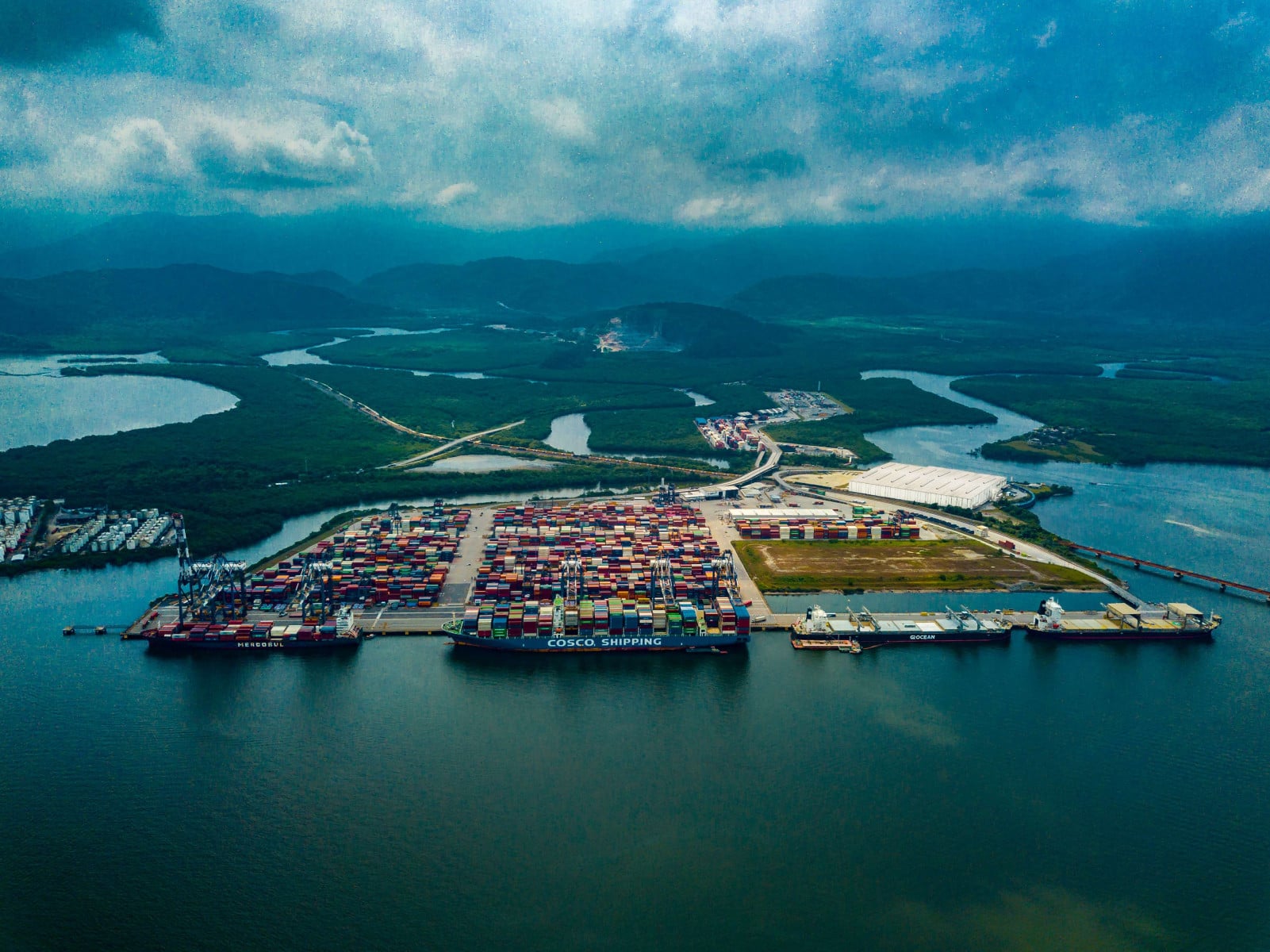
Container shipping works differently: the vehicle is loaded — typically by forklift or winch, or driven up ramps — into a sealed 20-foot or 40-foot steel box, which is then craned onto the vessel alongside standard cargo containers. Once the doors close, nobody touches the vehicle again until the container is opened at the destination yard. Multiple vehicles can share a single container, which is where consolidation savings come from.
The Real Cost Picture
For dealers, cost is usually the first question, and the honest answer is "it depends on volume and route" rather than one method being universally cheaper. Industry data on Korean used vehicle exports — the world's largest single-country vehicle export flow — is instructive here: RoRo carried roughly 62 percent of the 687,000 used vehicles Korea exported in 2025, with the remainder shipping in containers. For a single vehicle heading to a RoRo-equipped port, that guide reports RoRo shipping running USD 750–2,000 per vehicle, and typically 20 to 35 percent cheaper than container shipping to the same destination when RoRo service is available.
Container shipping's cost advantage shows up on the other side of the equation: consolidation. Sharing a 40-foot container with several vehicles can bring per-vehicle rates down to match or even beat RoRo pricing, particularly when a dealer is shipping enough volume to fill or nearly fill a container on a single order. Separately, general container-versus-RoRo cost analysis notes that container shipping typically carries a premium of roughly $600–$1,500 per vehicle over RoRo on comparable routes — a gap that matters far less for higher-value stock than it does for budget daily-driver inventory, where that premium can represent a meaningful share of total landed cost.
The two shipping segments also don't move in sync on pricing. Market analysis has shown that container and RoRo rates can swing in opposite directions depending on global vessel supply — periods of RoRo vessel shortages driving RoRo rates up even while container rates stay depressed from overcapacity, or vice versa. The practical takeaway for dealers is that "which method is cheaper" is not a fixed answer — it needs to be checked per shipment, per season, against current vessel availability rather than assumed from a prior order.
Transit Time and Destination Fit
Transit time and destination reachability are where the two methods diverge most sharply — and where the decision often gets made for the dealer rather than by the dealer. RoRo depends entirely on which ports have scheduled PCTC service; for exports from Korea, industry data shows RoRo transit times of 14 to 55 days depending on destination, covering major hubs like Jebel Ali, Mombasa, Lagos, and Aqaba — all destinations with regular RoRo line coverage. If a destination port sits on an established RoRo route, it's usually the faster and simpler option, since there's no container loading step and no waiting to consolidate.
Container shipping becomes the practical — sometimes the only — option in two situations. First, when the destination port doesn't have regular RoRo service, or when the final destination is inland and requires a rail or trucking leg after the sea voyage, a sealed container is far easier to transfer between transport modes than a vehicle that would otherwise need to be driven or flatbedded separately. This matters directly for landlocked and overland-served markets: shipments moving through inland ports and rail corridors — the kind of routing used for reaching Central Asian markets — depend on container handling precisely because there's no coastal RoRo terminal at the final destination. Second, container shipping is the safer default for higher-value vehicles, vehicles with aftermarket or cosmetic work, motorcycles shipped alongside a car, or any order that includes boxed spare parts — situations where full enclosure against weather, handling, and theft outweighs the cost premium.
Risk, Vehicle Type, and What Actually Gets Damaged
RoRo is considered safe for the large majority of standard vehicle shipments, and industry guidance is consistent on this point: the primary risks are minor cosmetic issues — light scratching, dust accumulation, and salt air exposure during the voyage — not vessel safety or major damage. For a standard mid-range sedan or SUV without fresh paintwork or a soft top, RoRo is a reasonable, cost-effective default.
Container shipping earns its cost premium specifically in scenarios where that minor cosmetic risk isn't acceptable: freshly painted or restored vehicles, convertibles, show-condition stock, or vehicles carrying supplementary cargo. For a $30,000-plus vehicle, the container premium represents a small percentage of total value in exchange for meaningfully lower handling and exposure risk — the math looks very different than it does for a budget economy car where the same premium might represent 5–10 percent of the vehicle's landed cost.
A Decision Framework by Route
Bringing this together into something usable at the point of booking a shipment:
Choose RoRo when: the destination port has established, regular PCTC service; you're shipping single vehicles or small lots rather than a full container's worth; the vehicles are standard condition without cosmetic work needing protection; and speed and lower per-unit cost matter more than full enclosure.
Choose container when: the destination requires an inland leg — rail, truck, or a second vessel — after the main ocean voyage; you have enough vehicles to fill or nearly fill a container, making consolidation pricing competitive with RoRo; the stock includes higher-value, modified, or cosmetically sensitive vehicles; or the order includes spare parts, accessories, or other cargo that needs to travel with the vehicles under one set of documentation.
Check both, every time, for mixed or borderline routes: because RoRo and container rates move independently based on global vessel supply, a route that favored RoRo six months ago may not today, and the only reliable approach is comparing current quotes rather than defaulting to habit.
How This Plays Out Across CarX Global's Network
This is exactly the kind of decision that benefits from a supplier who runs both channels rather than pushing every order down one path. CarX Global ships through coastal hubs including Guangzhou Nansha and Qingdao, which support RoRo and container service to established coastal markets, alongside the overland corridor through Khorgos and Kashgar that reaches inland Central Asian destinations by rail and road — a route where container handling is the practical requirement rather than a choice. Because pricing is quoted on EXW or FOB terms, dealers can see the shipping-method cost difference clearly at the point of decision, rather than having it folded into an opaque all-in logistics quote. If you're weighing shipping method for an upcoming order — particularly for a mixed shipment or a destination you haven't sourced for before — it's worth checking current RoRo and container quotes side by side with CarX Global's logistics team before booking.
