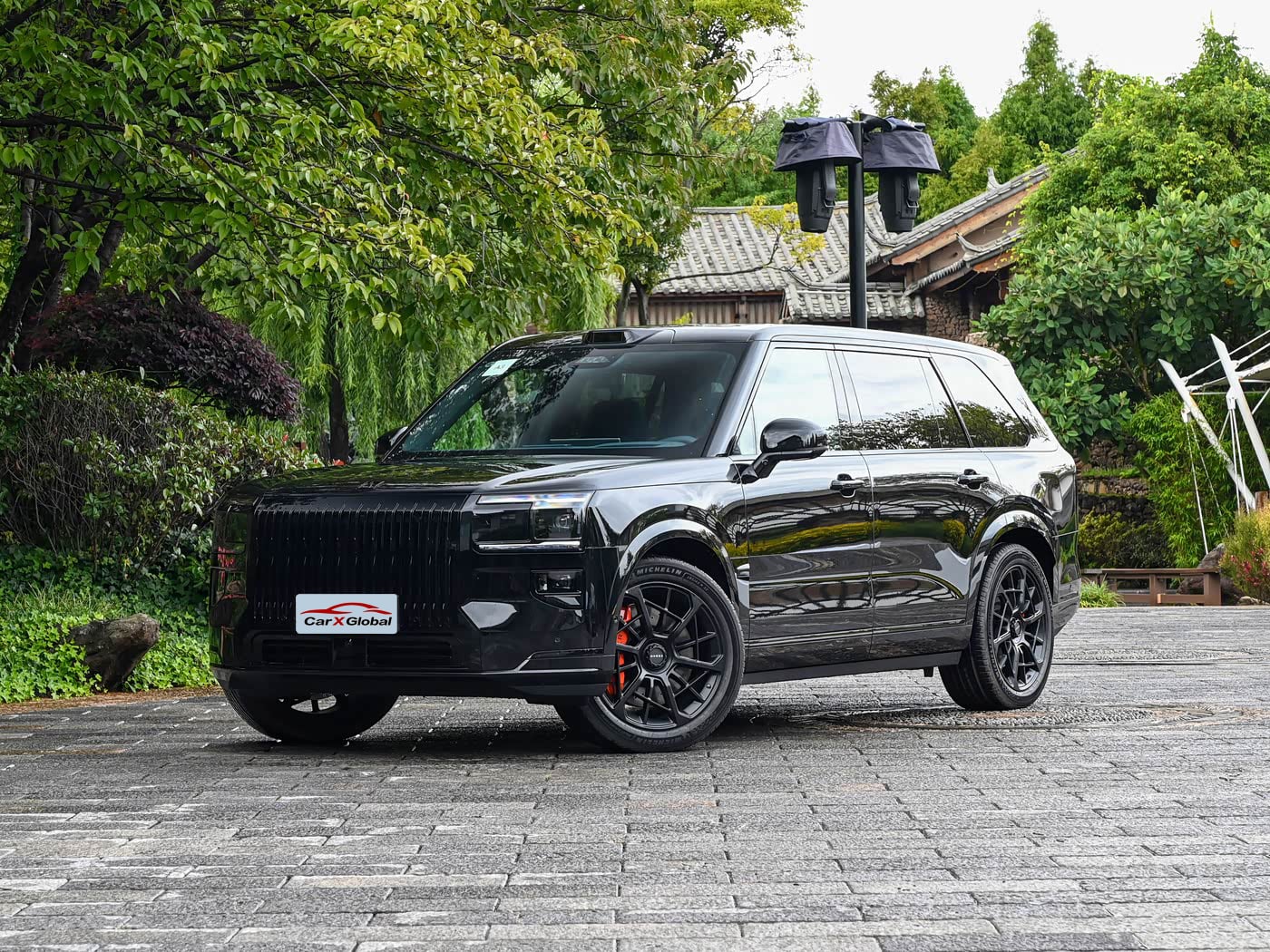
Many first-time auto business owners across Algeria, Nigeria, Ghana and Kenya rush to source Chinese gasoline SUVs and hybrid models without solid trade experience. Most new African car importers only focus on low FOB prices while ignoring critical trade, customs and supplier details, which leads to financial losses, port detention or broken business cycles.
After years of supporting hundreds of local garages with bulk Chinese car import, our export team summed up five widespread sourcing mistakes made by new African car importers, paired with actionable fixes to protect your dealership’s capital and supply chain.
1. Chasing ultra-low quotations without verifying supplier qualifications
It’s normal for new African car importers to compare dozens of offers when searching reliable Chinese car exporters online. However, many inexperienced buyers blindly pick the cheapest price without checking the supplier’s export license, historical shipment records to Africa or real warehouse stock footage.
Unlicensed middlemen and scam exporters release misleading low-price lists to lock deposits, then add hidden logistics and handling fees afterward. This is one of the biggest risks in bulk car import Africa.
Fix: Before negotiating FOB prices, ask suppliers to provide export business certificates and past bill of lading copies shipped to Algiers, Lagos or Mombasa ports. Only cooperate with verified Chinese vehicle wholesalers with physical warehouse support.
2. Skipping on-site warehouse vehicle inspection before placing bulk orders
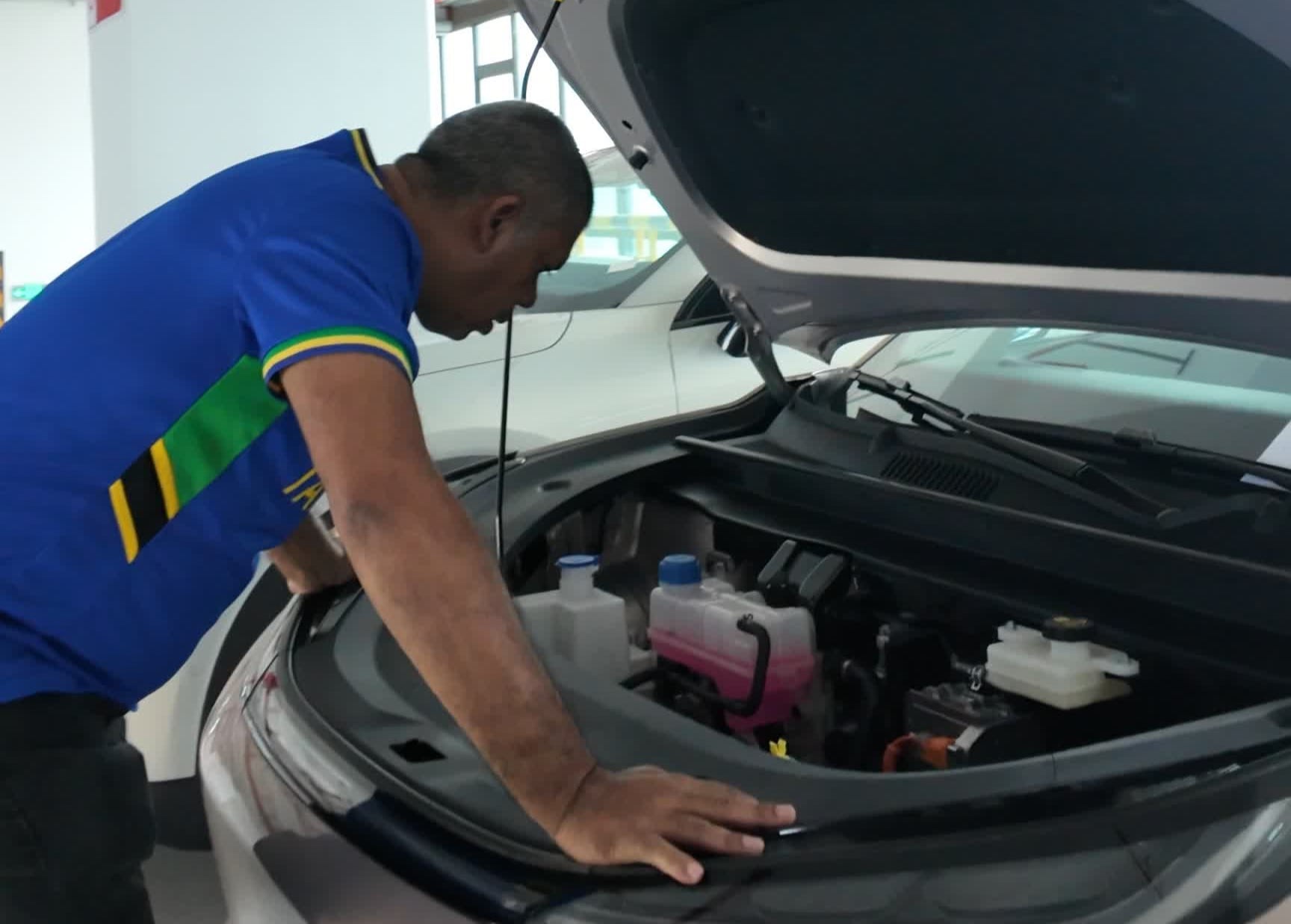
Some new garage owners rely solely on online photos and short videos to judge vehicle conditions, and skip on-site warehouse visits to cut travel costs. Dishonest suppliers often hide collision damage, high-mileage stock and defective parts when buyers cannot check cars in person.
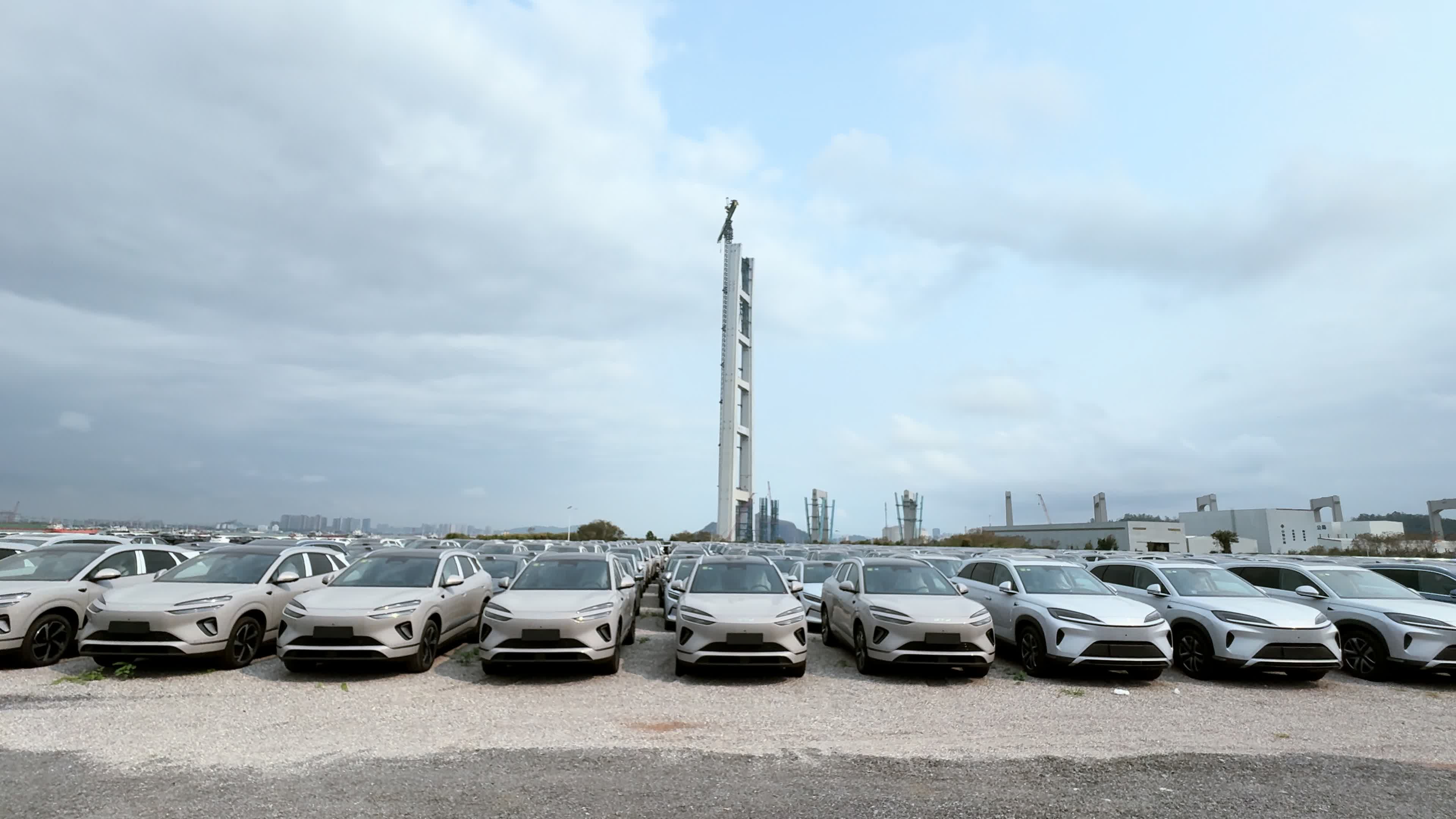
Fix: Prioritize Chinese car exporters that welcome global importers to inspect stock on location. Schedule a warehouse tour to verify every unit’s exterior, interior and mechanical status before confirming bulk orders.
3. Neglecting country-specific customs document requirements in advance
Each African nation sets unique paperwork rules for imported passenger vehicles, a detail overlooked by most new African car importers. For example, Algeria requires Euro 6 emission certificates and formal origin certificates for all imported light vehicles, while West African nations demand SONCAP certification for clearance.
You may review official vehicle import regulations issued by Algeria Customs to avoid clearance failure risks. Without complete supporting papers, your entire vehicle batch will be detained at port with heavy daily fines.
Fix: Confirm full document checklists with your supplier at the quotation stage. Only work with reliable Chinese car exporters who can prepare all market-compliant customs documents in advance.
4. Signing informal chat-based deals instead of official PI contracts
Many rookie importers finalize orders only through WhatsApp chat records, without stamped formal Proforma Invoice contracts. Once suppliers delay shipments, switch vehicle specs or withhold documents, there is no legal written proof to claim compensation.
Fix: Demand a signed, stamped PI contract that records exact car models, FOB prices, delivery schedule, payment terms and full document scope before paying any deposit. Store digital and physical copies of all formal trade files long-term.
5. Ignoring regional vehicle policies when selecting Chinese car models
New importers often pick popular models without researching local import bans and tax policies. For instance, Algeria implements a diesel vehicle ban and strict displacement tax limits, while East African markets require right-hand drive passenger vehicles. Ordering incompatible models will render your whole stock unsellable locally.
Fix: Match your bulk order to local policy standards before selecting vehicle lines. Consult certified Chinese auto exporters familiar with 2026 regional auto import rules across North, West and East Africa.
Final Takeaways For New African Car Importers
Sourcing Chinese vehicles for your dealership does not have to be risky. Avoiding these five common sourcing mistakes lets new African car importers cut extra costs, prevent customs detention and build long-term stable supply chains with trustworthy Chinese partners.
Our export team provides one-stop bulk car import support for dealers in Algeria, Morocco, Nigeria, Ghana and Kenya, including transparent FOB quotations, on-site warehouse visits and full customs document preparation. If you plan to launch your first bulk Chinese SUV order, reach out via WhatsApp to receive our latest stock list and policy-compliant import guide.



 Hot News
 EN
EN