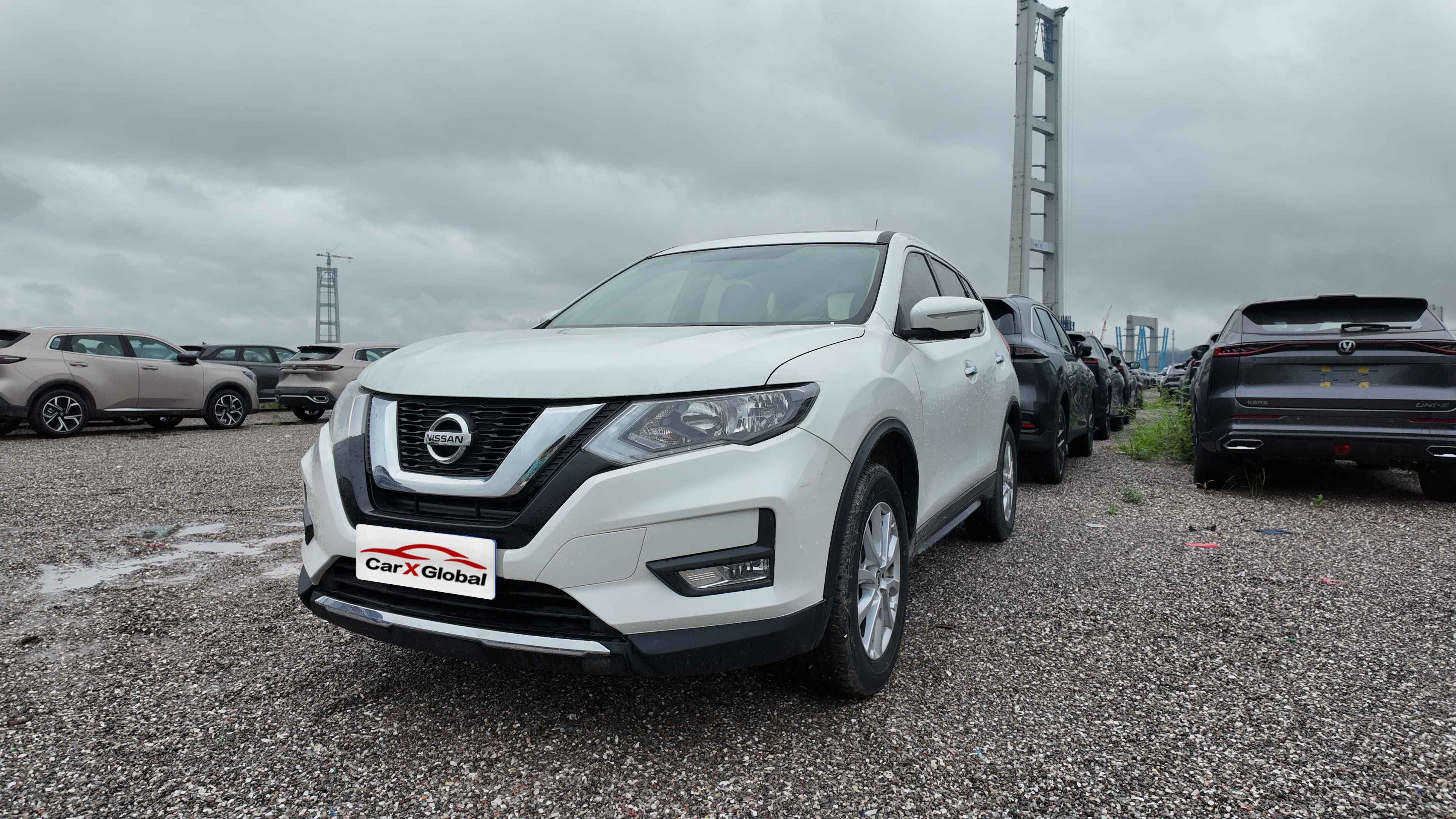
In recent years, China has emerged as a global powerhouse in automotive exports, surpassing traditional leaders like Germany and Japan to become the world’s largest auto exporter in 2023. This remarkable growth is driven by strategic advantages in manufacturing, innovation, and market adaptability. Below is an in-depth analysis of China’s automotive export data and the key factors behind its success.
1. Export Volume and Growth Trends
Record-Breaking Exports: In 2023, China exported 5.22 million vehicles, a 56% year-on-year increase, according to the China Association of Automobile Manufacturers (CAAM). This surpassed Japan’s 4.42 million exports, cementing China’s top position.
EV Dominance: Electric vehicles (EVs) accounted for 1.2 million units, representing 24% of total exports. Brands like BYD, SAIC (MG), and Geely are leading this charge.
Key Markets:
Russia (largest destination due to Western sanctions, absorbing 800,000 Chinese cars in 2023).
Europe (notably Belgium, UK, and Spain for EVs).
Southeast Asia, Middle East, and Latin America (fuel-powered vehicles dominate here).
2. Competitive Advantages
(1) Cost-Effective Manufacturing
China’s economies of scale and efficient supply chains keep production costs low. Labor and component costs are significantly lower than in Europe or North America.
Government subsidies and incentives for EV production further reduce costs, enabling competitive pricing globally.
(2) Leadership in Electric Vehicles
China controls 60%+ of global EV production, with batteries (CATL, BYD) making up 70% of the global market.
Technology edge: Chinese EVs offer advanced features (e.g., BYD’s Blade Battery, NIO’s battery-swapping tech) at lower prices than Tesla or European rivals.
(3) Strong Domestic Market & Export Flexibility
Domestic demand fuels R&D and scale. China is the world’s largest auto market (25M+ annual sales), allowing automakers to test products before exporting.
Companies tailor exports to regional needs:
Europe: High-safety, high-range EVs (e.g., MG4, BYD Atto 3).
Global South: Affordable ICE (internal combustion engine) models (e.g., Chery, Haval).
(4) Government and Policy Support
“Made in China 2025” prioritizes auto sector innovation.
Free trade agreements (e.g., RCEP) lower tariffs in ASEAN and other markets.
State-backed financing (e.g., China Export Credit Insurance Corp) mitigates risks for exporters.
(5) Strategic Global Expansion
Local partnerships: SAIC’s MG collaborates with European dealers; BYD builds plants in Thailand, Brazil, and Hungary.
Brand diversification: Geely’s acquisition of Volvo and Lotus enhances global credibility.
3. Challenges and Future Outlook
Despite its strengths, China faces:
Trade barriers: EU’s 10% tariffs and anti-subsidy probes; U.S. restrictions under the Inflation Reduction Act.
Brand perception: Overcoming stereotypes about quality (though firms like BYD and Li Auto are changing this).
Future Projections:
S&P Global predicts China’s exports will hit 6M+ units annually by 2025, with EVs driving 40%+ of shipments.
Expansion in Africa and Central Asia is expected as infrastructure improves.
Conclusion
China’s rise as an auto export leader stems from its cost efficiency, EV innovation, and agile market strategies. While challenges like trade tensions persist, its relentless focus on technology and global supply chain integration ensures sustained growth. As the industry shifts toward electrification, China is poised to redefine the future of global automotive trade.

 Hot News
2026-09-17
2026-09-03
2026-08-25
2026-08-13
2026-08-07
2026-08-04

Ready to Source Quality Vehicles from China? Fill in Your Details & Get Started.
Office 1325, No. 355 Xingang East Rd,Pazhou, Haizhu District,Guangzhou, Guangdong, China 510000
Copyright © CarX Global All Rights Reserved | Privacy Policy
 EN
EN